© Matthias Schaller / VG Bild-Kunst, 2026


L'arte pratica da sempre una forma di astronomia terrestre. Osserva il mondo per misurare la distanza tra ciò che esiste e ciò che ancora non è stato raggiunto. È in questo spazio intermedio che si colloca Desidereus di Matthias Schaller, installazione concepita per la Biblioteca Marciana di Venezia, luogo in cui il sapere si sedimenta, fa domande e si rinnova attraverso l'esercizio dello sguardo. Prima domanda: che cosa muove lo sguardo umano? Non la semplice volontà di vedere, ma il desiderio di ciò che ancora si sottrae alla visione. Ogni autentica conoscenza nasce da una mancanza, da un'assenza che chiama. In questo senso Desidereus di Matthias Schaller non è semplicemente un'opera sulla Luna, né sulla storia della scienza. È una meditazione sulla natura stessa del desiderare. Il titolo rinvia immediatamente al Sidereus Nuncius di Galilei, pubblicato a Venezia nel 1610. Ma Schaller opera uno spostamento decisivo. Non il messaggero degli astri, bensì ciò che rende necessario ogni annuncio, ogni scoperta, ogni avventura del conoscere: il desiderio. “De-sidera” (senza le stelle): la tensione verso ciò che non c’è, verso ciò che ancora non si lascia possedere.
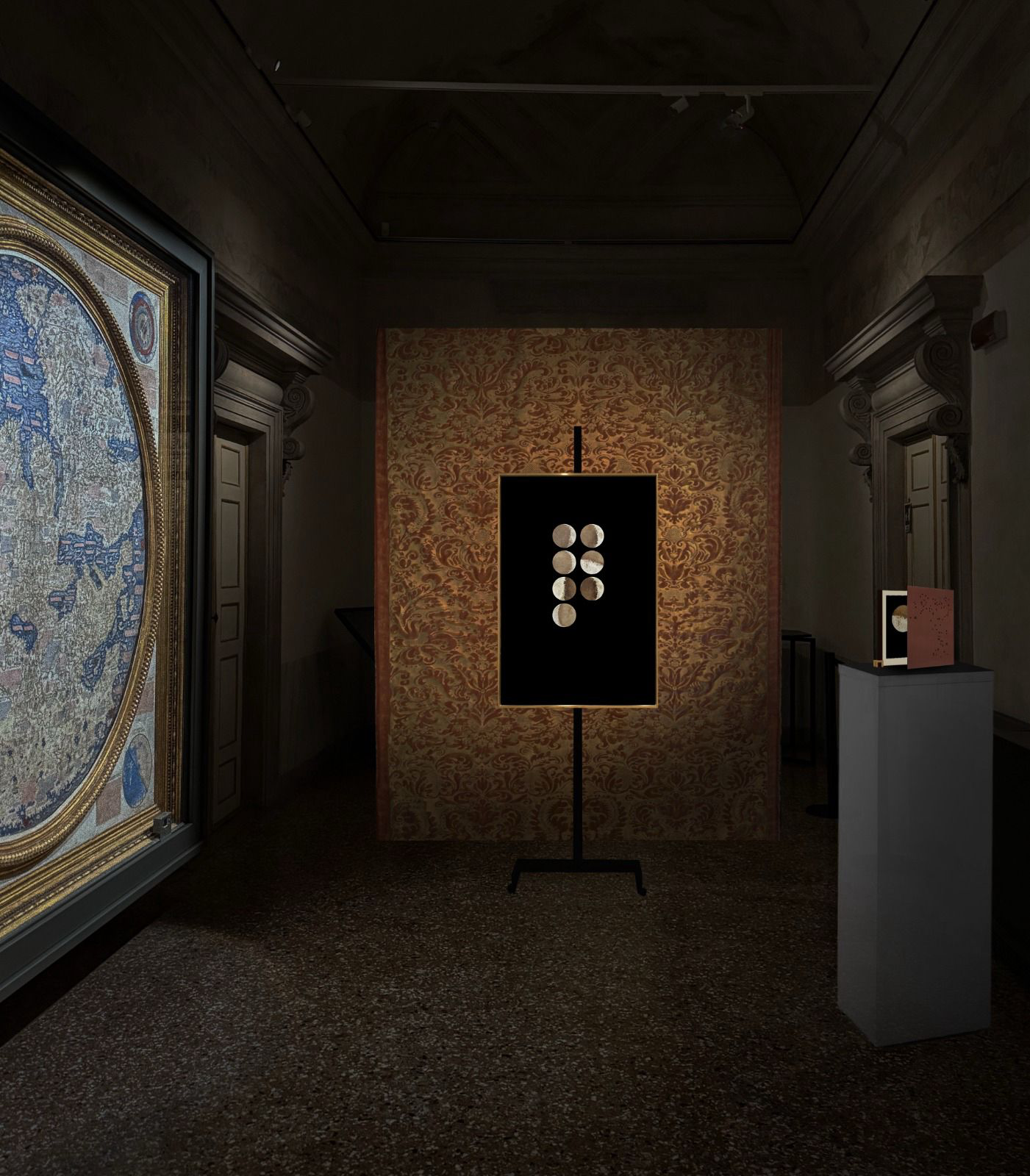
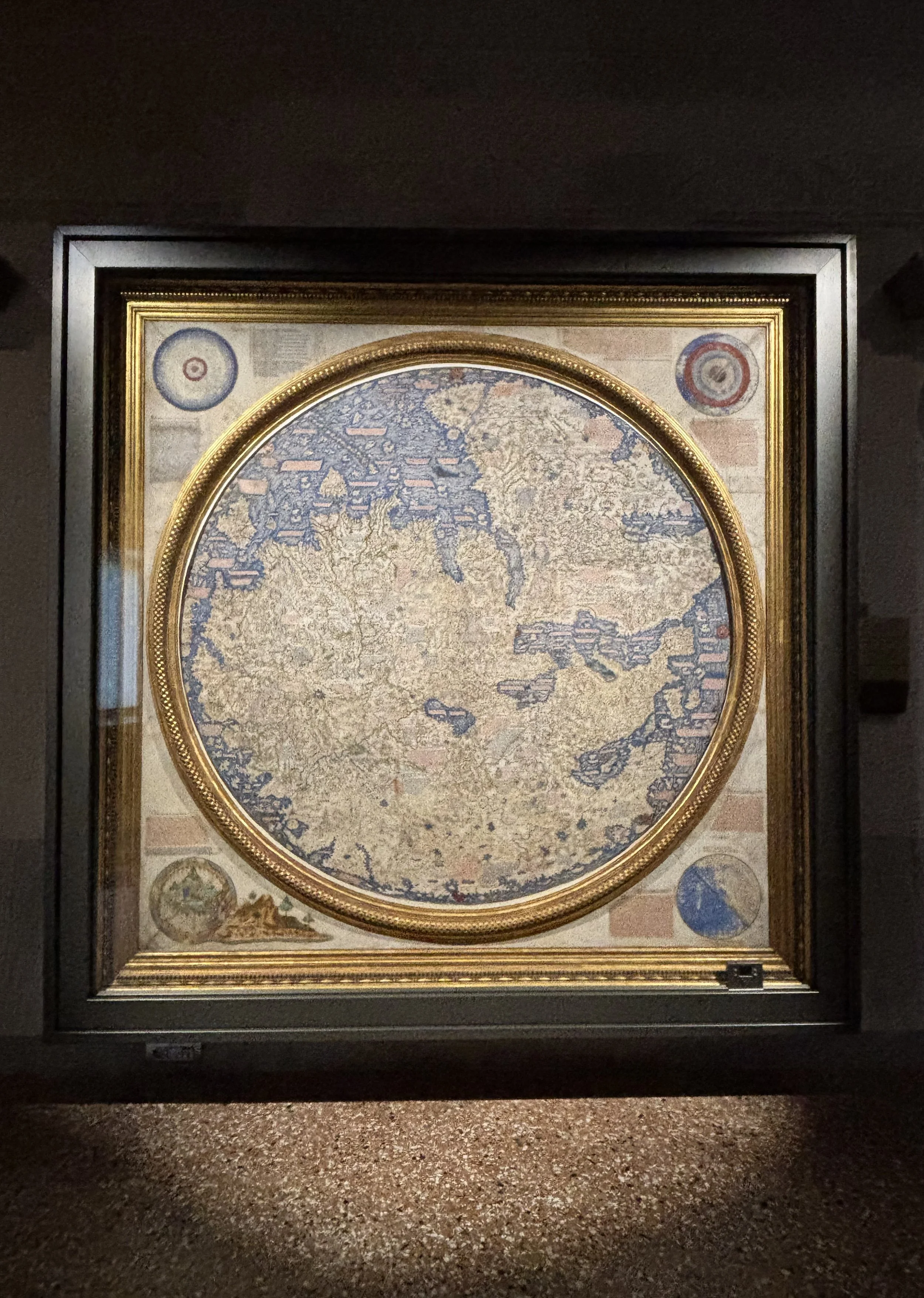
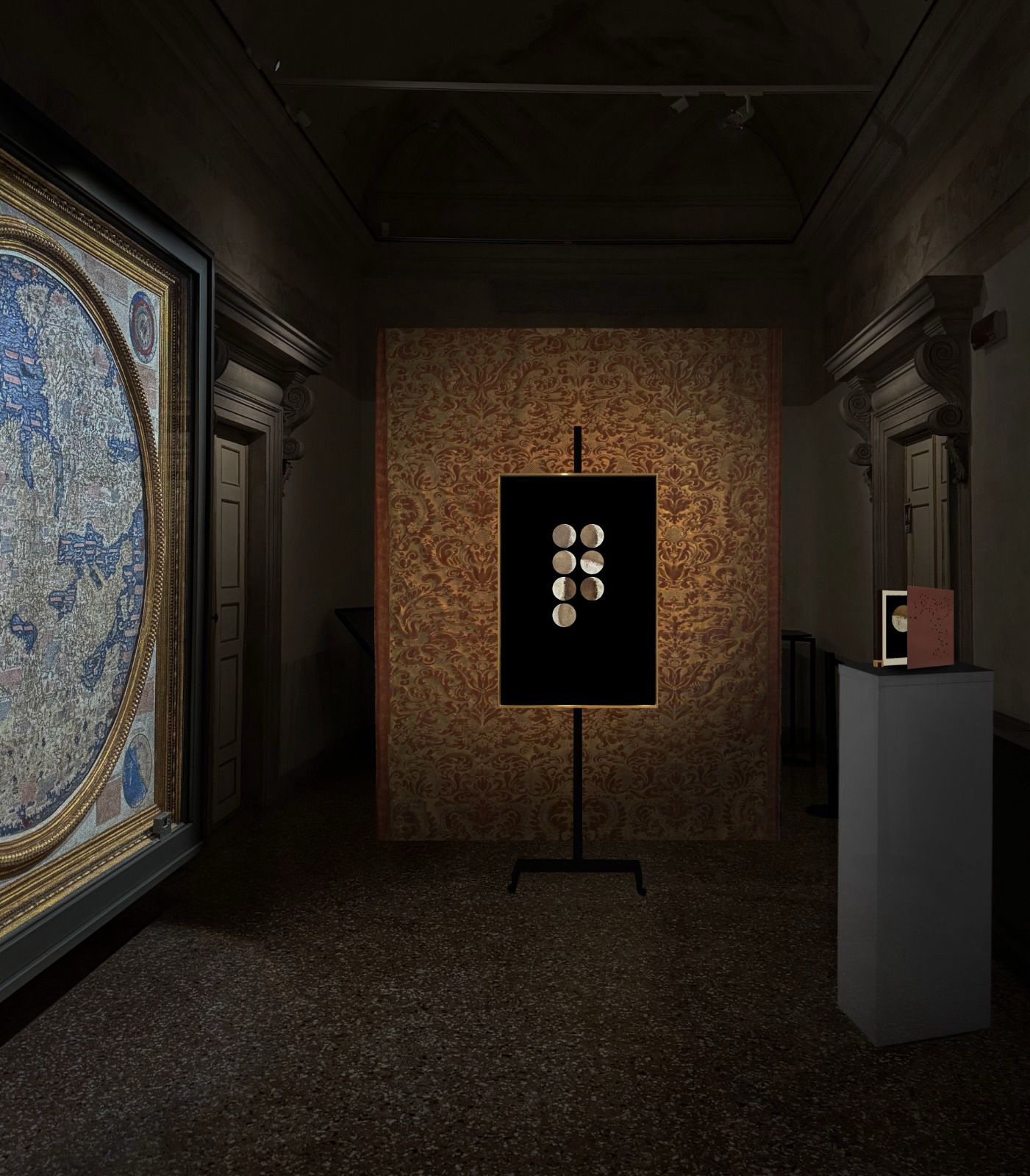
Seconda domanda: perché proprio alla Biblioteca Marciana? La collocazione accanto alla Mappa Mundi di Fra Mauro per rendere evidente la genealogia dello sguardo occidentale. Da un lato la Terra, dall'altro la Luna. Da un lato la misura del mondo abitabile, dall'altro l'apertura verso l'incommensurabile. Tra queste due immagini si dispiega una storia che non è soltanto quella del progresso tecnico, ma quella dell'inquietudine che costituisce l'umano. Fra Mauro e Galilei appartengono alla stessa stirpe spirituale. Entrambi raccolgono tracce disperse - racconti di viaggiatori, osservazioni, strumenti imperfetti - e tentano di dare forma a ciò che eccede l'esperienza immediata. Il loro sapere nasce dall'intreccio di curiosità e rivalità, di disciplina e immaginazione. Ma soprattutto da quella forza che spinge continuamente oltre il limite raggiunto.
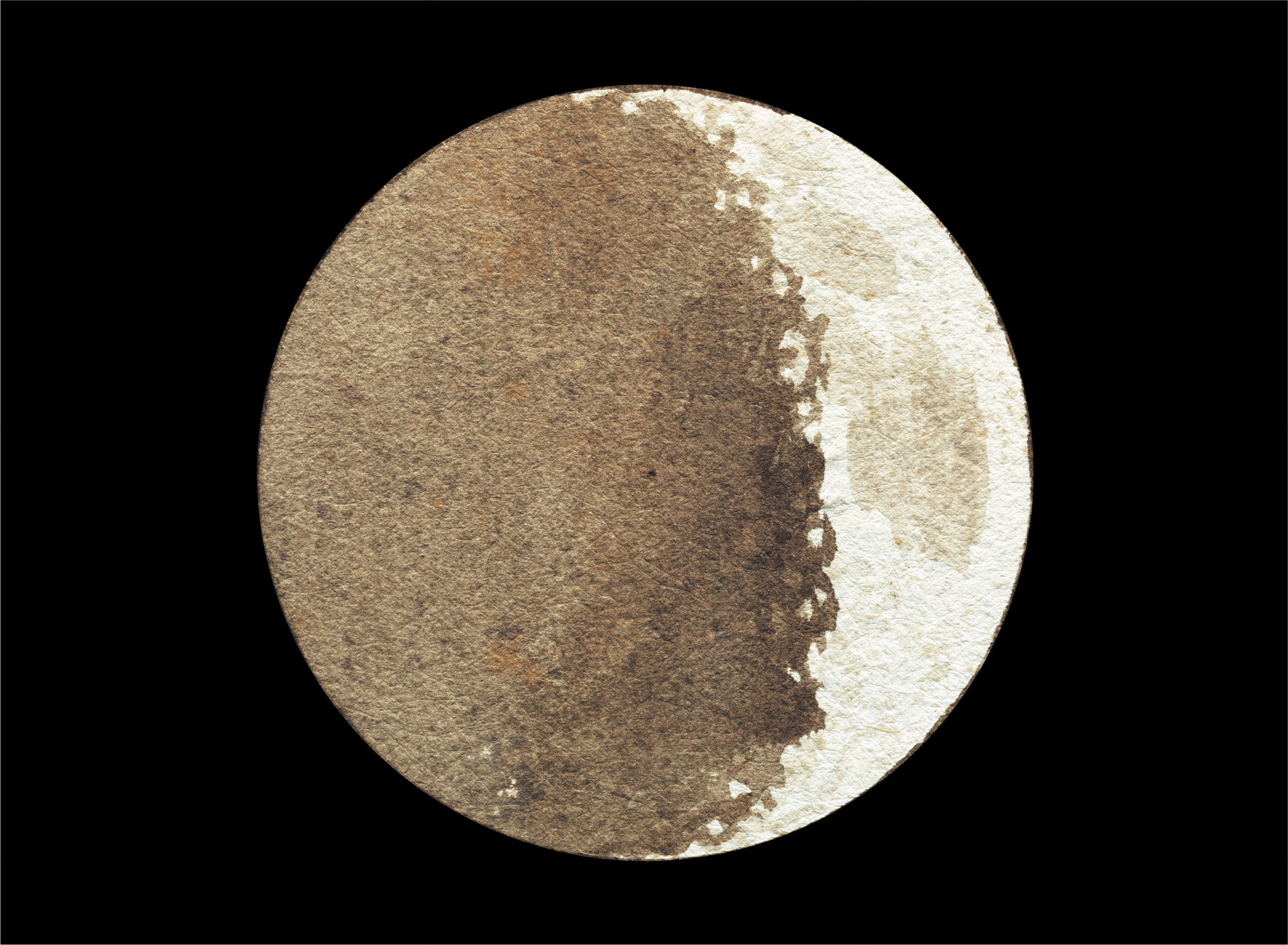
Terza domanda: che cos’è questa apparente semplicità nell'opera di Matthias Schaller? Sette piccoli disegni della Luna, una mappa del mondo, una biblioteca. Forse è proprio questa semplicità a nascondere il vero problema. Il punto non è ciò che vediamo, ma ciò che ci spinge a vedere. Il titolo, Desidereus, nasce da uno scarto minimo rispetto dal Sidereus Nuncius di Galilei. Ma è proprio nello scarto minimo che si produce una trasformazione radicale. Galilei annuncia la scoperta di nuovi oggetti nel cielo; Schaller sposta l'attenzione sul soggetto che desidera scoprirli. Non gli astri, ma il desiderio degli astri. Qui emerge un paradosso fondamentale. Siamo abituati a raccontare la storia della modernità come una successione di conquiste: prima la Terra viene mappata da Fra Mauro, poi la Luna viene osservata da Galilei, poi lo spazio viene attraversato dalle missioni del XX secolo. Ma questa narrazione è forse una fantasia retrospettiva. Ci piace immaginare che ogni conquista risolva un problema. In realtà ogni conquista produce un nuovo vuoto. È precisamente questo che Schaller mette in scena collocando il proprio lavoro accanto alla Mappa Mundi di Fra Mauro. La mappa non elimina l'ignoto; lo ridefinisce. Galilei non dissolve il mistero della Luna; ne crea uno nuovo. Ogni risposta genera nuove domande. Ogni ampliamento del sapere estende contemporaneamente il territorio dell'incertezza. Per questo l'elemento decisivo dell'opera non è la presenza delle immagini, ma la loro incompiutezza. L'ultima fila resta aperta. Manca qualcosa. E quel vuoto non è un difetto della composizione. È il suo vero contenuto. Il desiderio esiste soltanto finché qualcosa manca. Se tutto fosse completato, il desiderio cesserebbe di esistere. Anche la scelta del bianco e nero assume allora un significato particolare. Non si tratta di una ricostruzione storica. Al contrario. Schaller elimina il colore per avvicinare i disegni all'esperienza immediata dello sguardo umano. La Luna appare come un oggetto distante immerso nel nero. Ma qui il nero non è soltanto il cielo. È il reale stesso: ciò che sfugge a ogni tentativo di rappresentazione completa. Questo aspetto diventa ancora più evidente se consideriamo il presente. Viviamo in un'epoca che continua a celebrare la crescita, l'innovazione, l'espansione delle possibilità umane. Dall'esplorazione spaziale all'intelligenza artificiale, ogni nuova tecnologia viene presentata come una risposta. Tuttavia, forse, il vero effetto di queste innovazioni è l'opposto: più aumentano le nostre capacità, più diventiamo consapevoli della nostra incertezza riguardo a ciò che stiamo facendo e al motivo per cui lo facciamo.
È qui che il sottotitolo implicito dell'opera trova la sua chiave interpretativa: An Der Schoenen Donau, Blau. Matthias Schaller riprende e trasforma il celebre valzer di Johann Strauss, spostando il termine Blau alla fine del titolo per attribuirgli una nuova centralità. Quel blu non è più quello del Danubio, ma il blu della Terra, l'unico colore che affiora nell'immensità oscura del cosmo. E il “bel Danubio” non è più il fiume che attraversa l'Europa, bensì l'universo stesso, il corso infinito che osserviamo dal nostro pianeta e verso il quale continuiamo a dirigere il desiderio. Come il valzer di Strauss trasforma il movimento in un moto senza fine, così Desidereus suggerisce che la conoscenza non coincide mai con il possesso. Ogni scoperta apre una nuova distanza, ogni risposta genera nuove domande. Il blu diventa allora il punto di partenza dello sguardo, il luogo da cui impariamo a desiderare l'infinito. Il desiderio, per sua natura, non conduce mai a una meta definitiva. Continua a spostare l'orizzonte, costringendoci a inseguire ciò che, una volta raggiunto, si rivela sempre diverso da ciò che immaginavamo.
Eduardo Cicelyn
English Version
Venezia, Biblioteca Nazionale Marciana – Sala Fra’ Mauro - Inaugurazione: 11. Settembre, ore 11-13
Con il Patrocinio della Agenzia Spaziale Europea
Contributo del Colonnello Luca Parmitano, astronauta dell’Agenzia Spaziale Europea e pilota sperimentatore dell’Aeronautica Militare Italiana, scelto nel giugno 2026 come pilota della missione Artemis III (ESA/NASA).
Si ringrazia Dries Van Noten per il suo intervento e il supporto di FORTUNY
Ringraziamenti
David Speranzi, Stefano Trovato, Ilaria Zilioli
Martina Aosta, Valeria Arena, Lorenzo Ballin, Andrea Bellieni, Carlo Capovilla, Elena Casadoro, Karina de Castris, Eduardo Cicelyn, Roberta Cristofanelli, Enrico Dalla Valentina, Dietmar Dieterle, Tommaso Duse, Guido Jaccarino, Ilaria Natalucci, Matteo Panciera, Luca Parmitano, Vittorio Pavan, Moreno Penazzato, Phokion Potamianos-Homem, Francesca da Pre, Mickey Riad, Vittoria Roggio, Eleonora Rossi, Donatella Rosso, Elisabetta Sciarra, Jürgen Seiler, Marguerite Shore, Dries Van Noten and Patrick Vangheluwe, Giacomo Vanelli, Margherita Venturelli, Andrea Vianello, Markus Waltl, Queenie Wong, Paolo Zanon
View exhibition floor plan
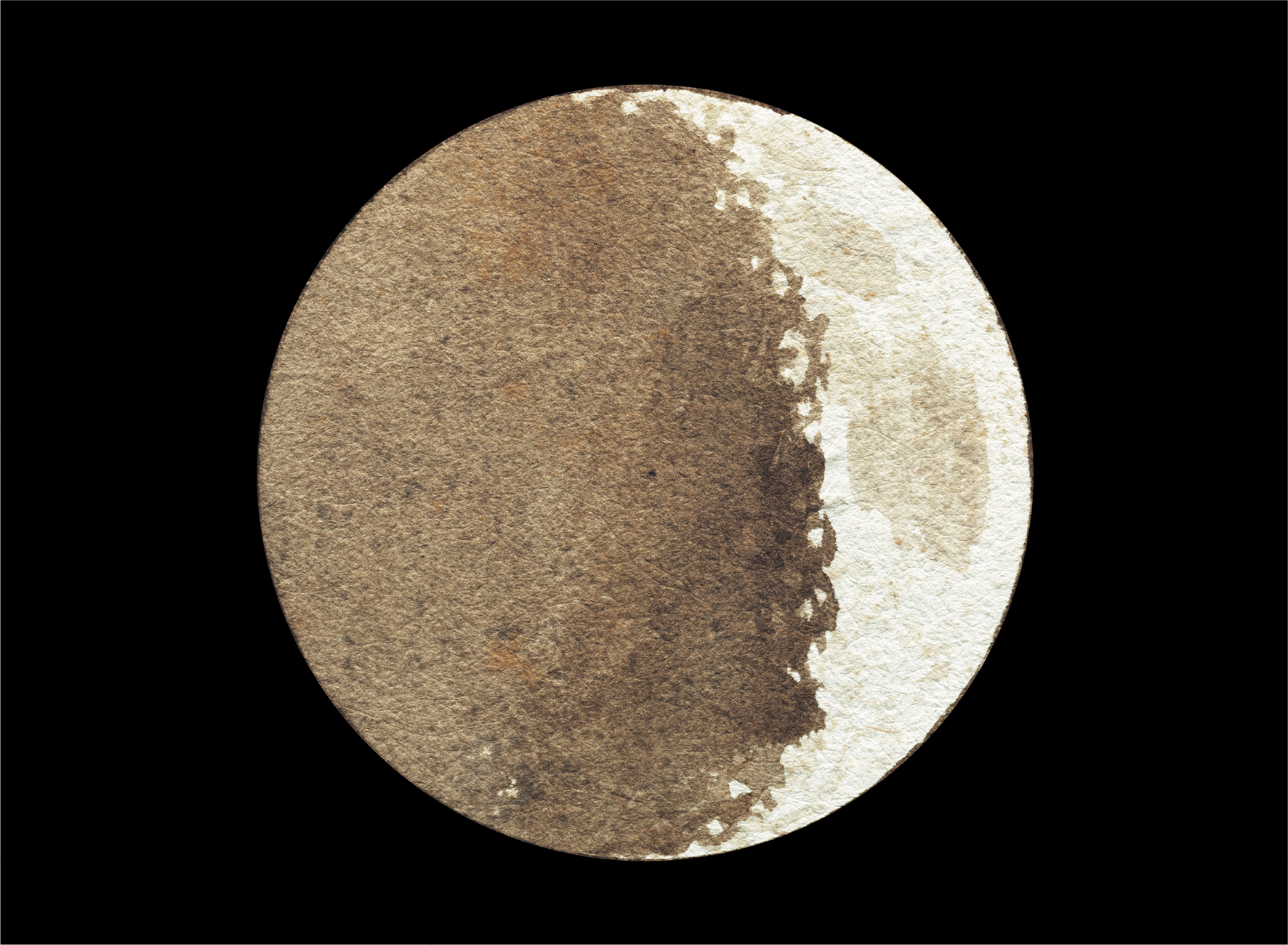
La Biblioteca Nazionale Marciana presenta Desidereus, nuova opera di Matthias Schaller (Germania, 1965) concepita nella Sala Fra’ Mauro come un viaggio attraverso il tempo e lo spazio, dalla rappresentazione della Terra alla scoperta del cosmo. Accanto alla Mappa Mundi di Fra’ Mauro (1450), permanente, sarà esposto l’incunabolo di Cristoforo Colombo del 1493, dalla Biblioteca Nazionale Marciana: due testimonianze di un’epoca in cui il mondo, ancora incompiuto, chiedeva di essere percorso e immaginato. A questa genealogia dello sguardo appartiene Galileo Galilei, il cui Sidereus Nuncius, pubblicato a Venezia nel 1610, trasformò la luna e il cielo in un nuovo territorio della conoscenza. È proprio dal titolo di Galilei che Schaller trae, per scarto e rovesciamento, il nome Desidereus: non più il messaggero degli astri, ma il desiderio degli astri, ciò che spinge l’uomo verso ciò che ancora non può vedere.
Fra’ Mauro, Colombo, Galilei e Schaller appartengono così a una stessa stirpe dello sguardo: ogni mappa, ogni viaggio, ogni scoperta non chiude l’ignoto, ma lo sposta più lontano.
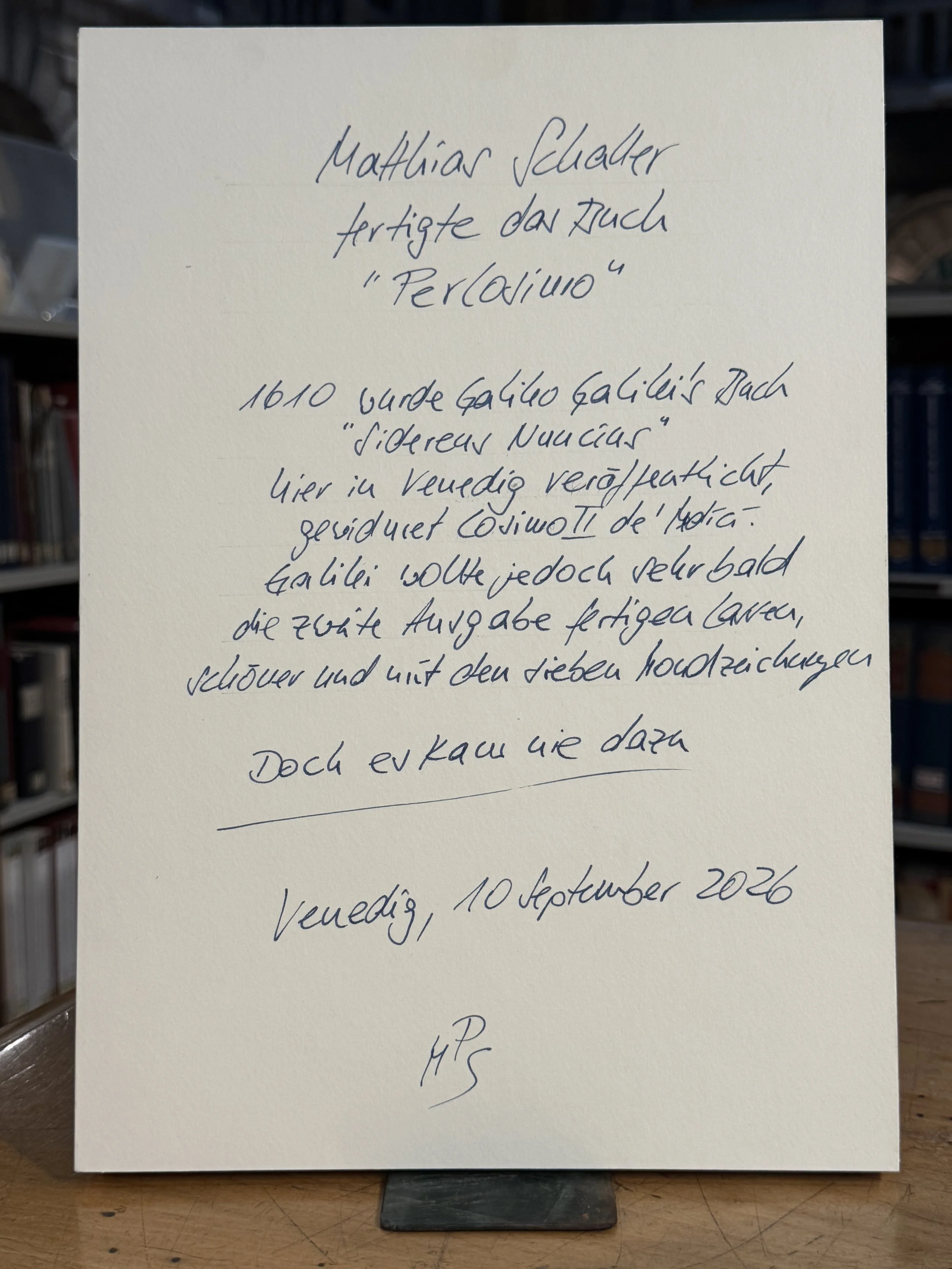
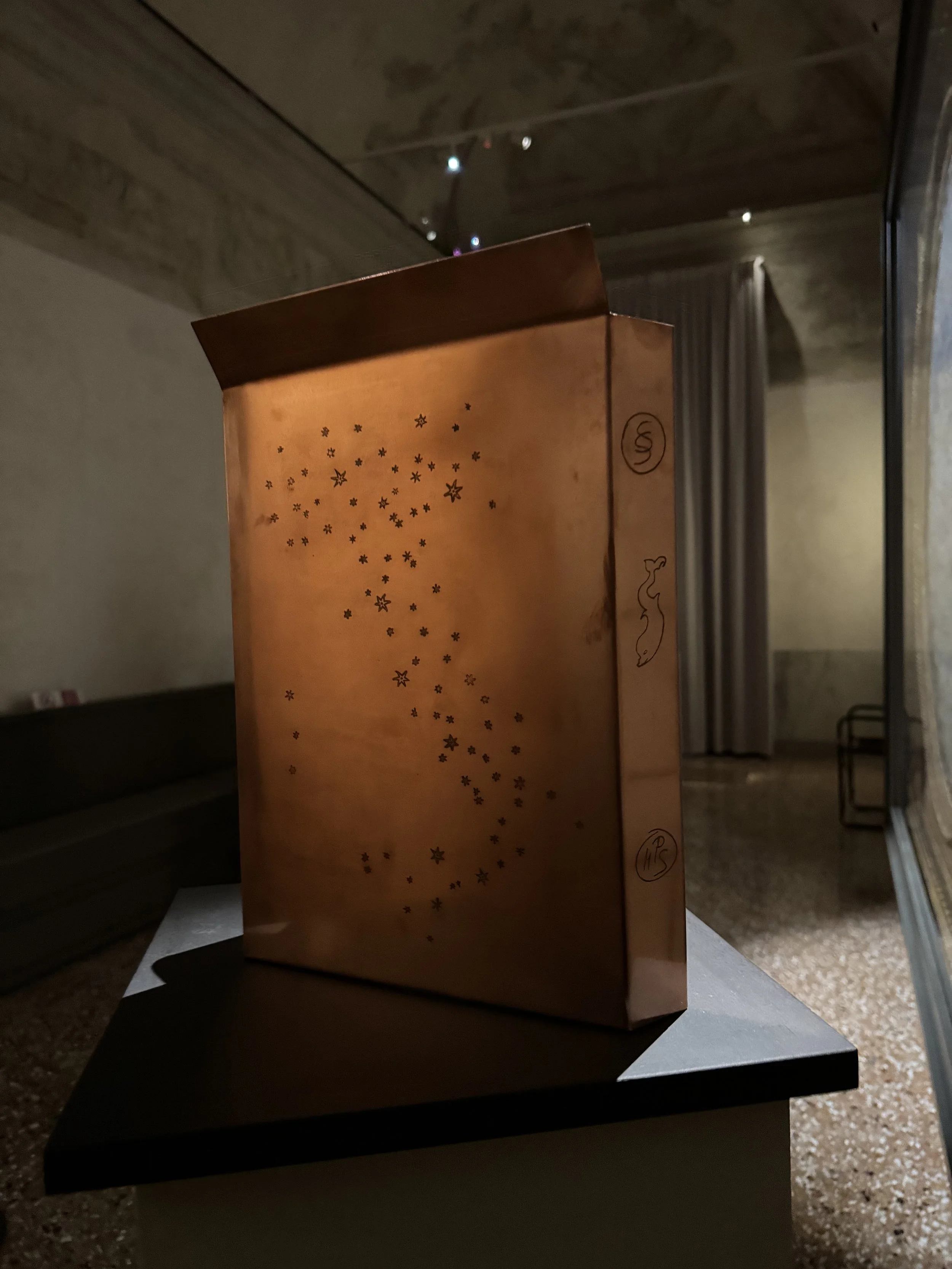
L’installazione comprende la fotografia Desidereus con i sette disegni della luna di Galileo Galilei (1609) e l’artist book PerCosimo, entrambi realizzati da Schaller nel 2026.
A portare lo sguardo nel futuro sarà la testimonianza di Luca Parmitano, pilota della missione Artemis III prevista per il 2027.
Tra la Terra di Fra’ Mauro e la Luna di Schaller, tra le rotte di Colombo e quelle future dello spazio, Desidereus racconta il desiderio come la vera forza della conoscenza: ogni risposta apre una distanza, ogni conquista genera un nuovo orizzonte, ogni stella continua a chiamarci da lontano.
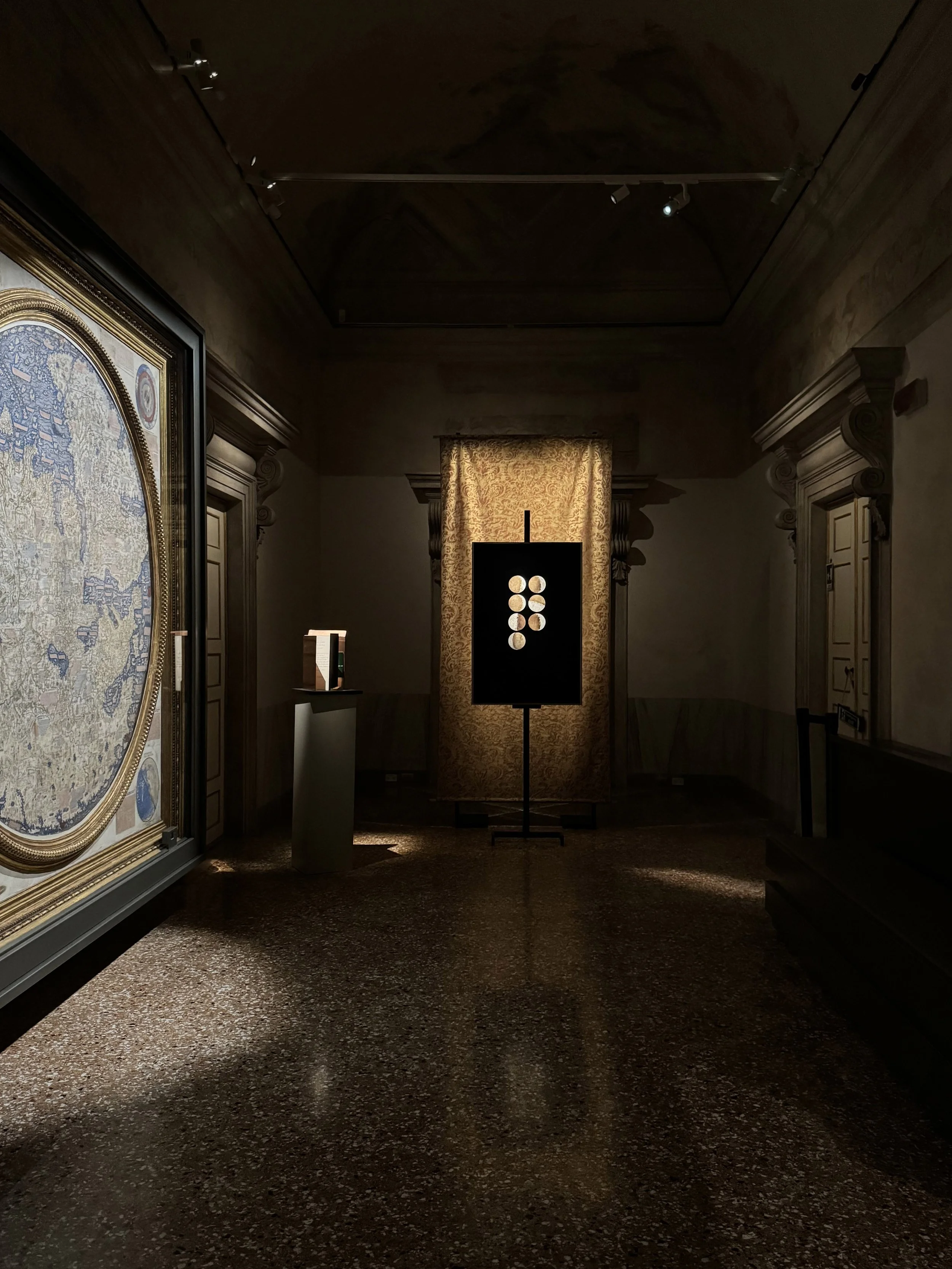
Installazione, 2026, Matthias Schaller
Installazione Virtuale, 2026 © Matthias Schaller, VG Bild-Kunst, 2026 Courtesy: Matteo Paniera
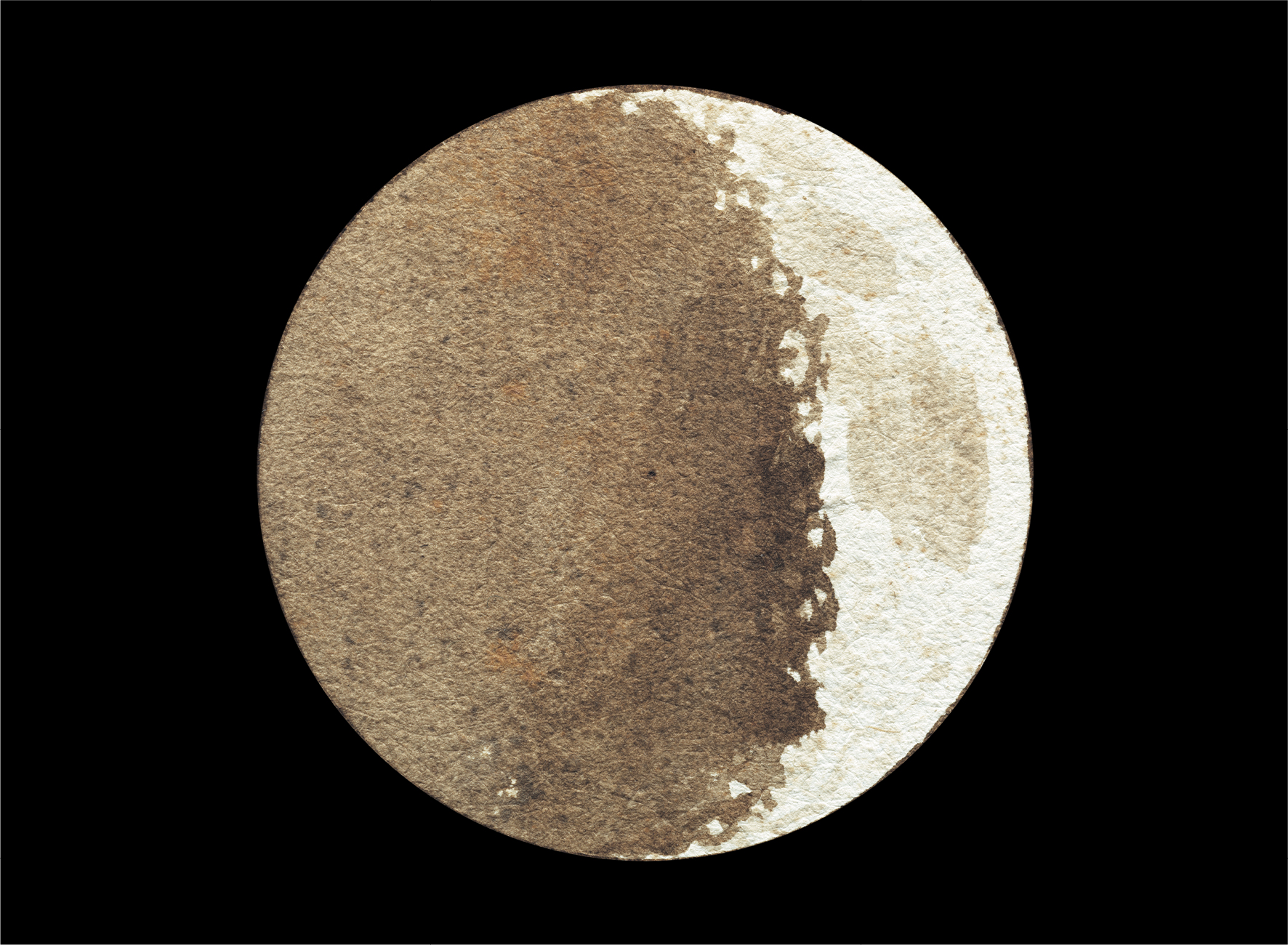
© Matthias Schaller, Desiderius, ‘‘Luna II’’ VG Bild-Kunst, 2026
Courtesy: Biblioteca Nazionale, Venezia
The Biblioteca Nazionale Marciana is presenting Desidereus, a new work by Matthias Schaller, (German, 1965) conceived in the Sala Fra’ Mauro as a voyage through time and space, from the representation of the Earth to the discovery of the cosmos. Alongside Fra’ Mauro's Mappa Mundi (1450), on permanent display, Christopher Columbus's incunabulum from 1493 will be exhibited, belonging to the Biblioteca Nazionale Marciana: two testaments of an epoch when the world, still incomplete, asked to be travelled and imagined. Galileo Galilei's Sidereus Nuncius pertains to this genealogy; published in Venice in 1610, it transformed the moon and sky into a new territory of knowledge. Schaller draws the name Desidereus precisely from Galileo's title, by deviation and reversal: no longer the messenger of the stars, but the desire of the stars, namely that which pushes man toward what he still cannot see.
Fra’ Mauro, Columbus, Galilei and Schaller thus belong to the same lineage of the gaze: each map, each voyage, each discovery does not close off the unknown, but moves it further away.
The installation includes a photograph, Desidereus, showing the seven moon drawings by Galilei (1609) and the artist's book, PerCosimo, both created by Schaller in 2026.
Looking ahead to the future, there will be the testimony of Luca Parmitano, pilot of the Artemis III mission, planned for 2027.
Between Fra’ Mauro's Earth and Schaller's Moon, between Columbus's routes and those future ones in space, Desidereus recounts desire as the true force of knowledge: every response opens up a distance, every conquest generates a new horizon, every star keeps calling to us from afar.
*
*
* *
OGGETTI IN ESPOSIZIONE
Colombo Cristoforo. “L’Incunabolo Colombino”, 1493
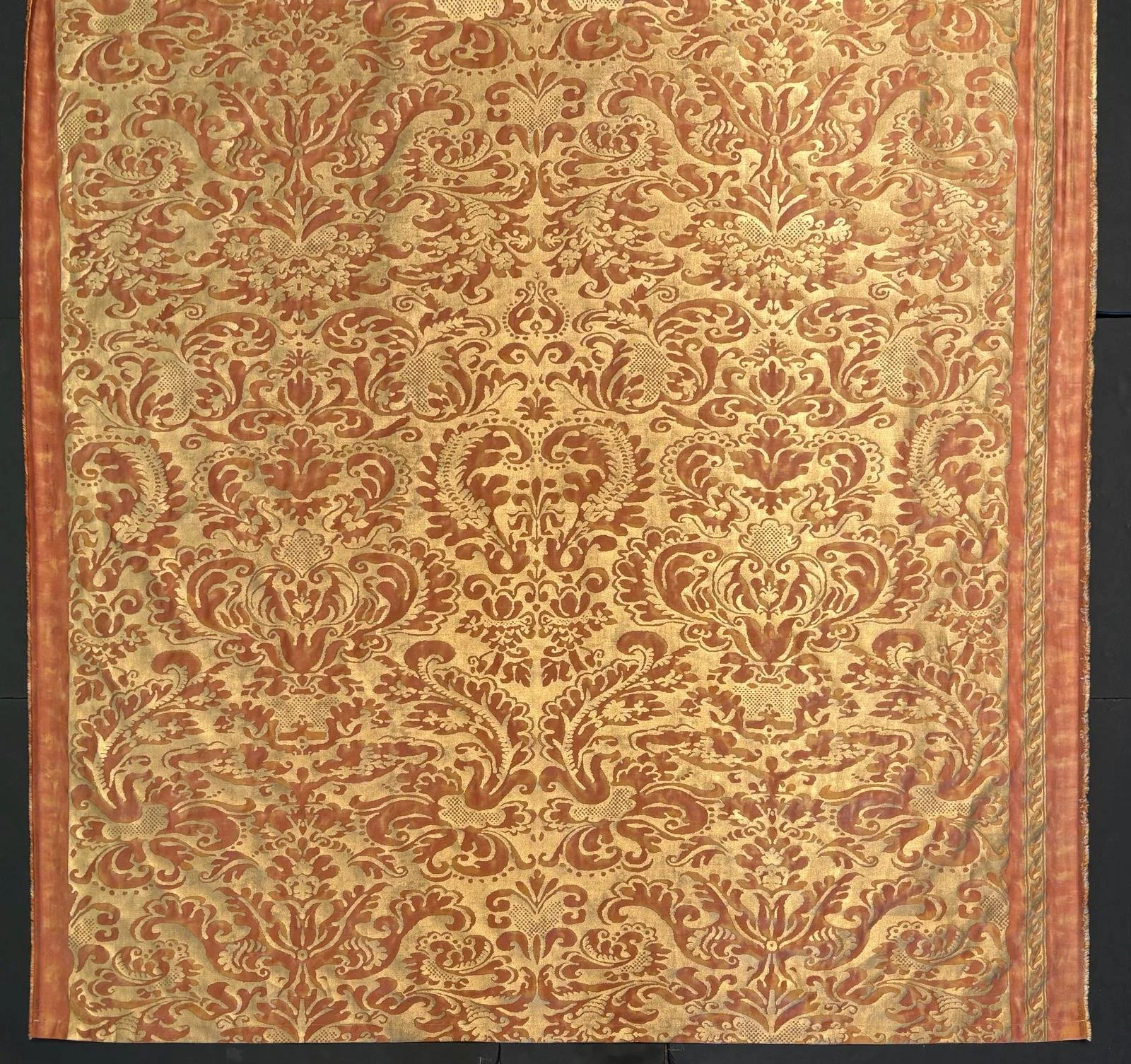
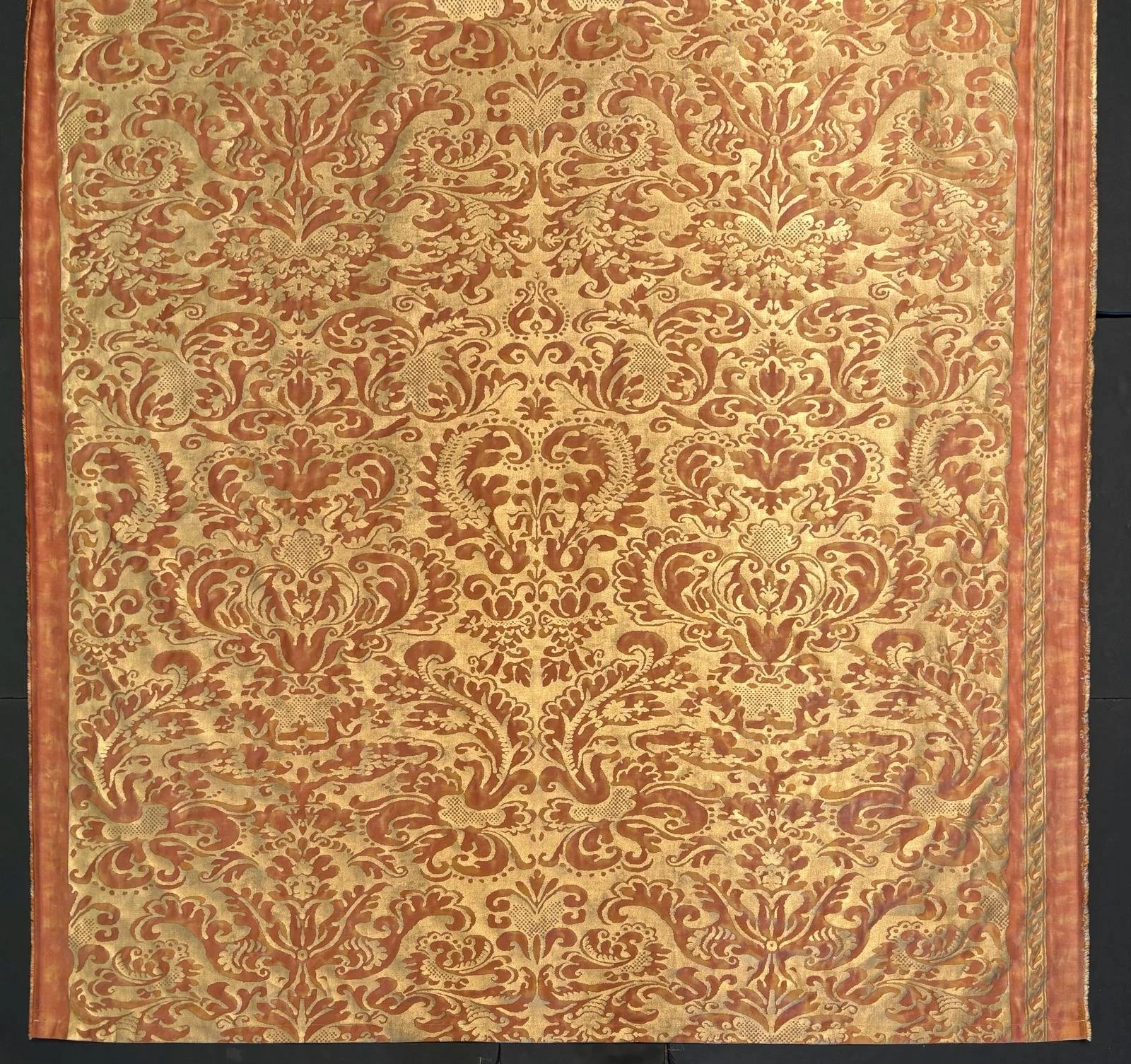
Mariano Fortuny. “Fabric 5277”, 1920s
Fra' Mauro. “Mappamondi”, 1450
Luca Parmitano. “Contributo”, 2026
Matthias Schaller. “Desidereus”, Photograph, 2026
Matthias Schaller. “PerCosimo”, Artist Book, 2026
Matthias Schaller. “Cavaletto Desidereus”, 2026
OBJECTS IN EXBHIBITION
Colombo Cristoforo. “L’Incunabolo Colombino”, 1493
Mariano Fortuny. “Fabric 5277”, 1920s
Fra' Mauro. “Mappamondi”, 1450
Luca Parmitano. “Contributo”, 2026
Matthias Schaller. “Desidereus”, Photograph, 2026
Matthias Schaller. “PerCosimo”, Artist Book, 2026
Matthias Schaller. “Cavaletto Desidereus”, 2026
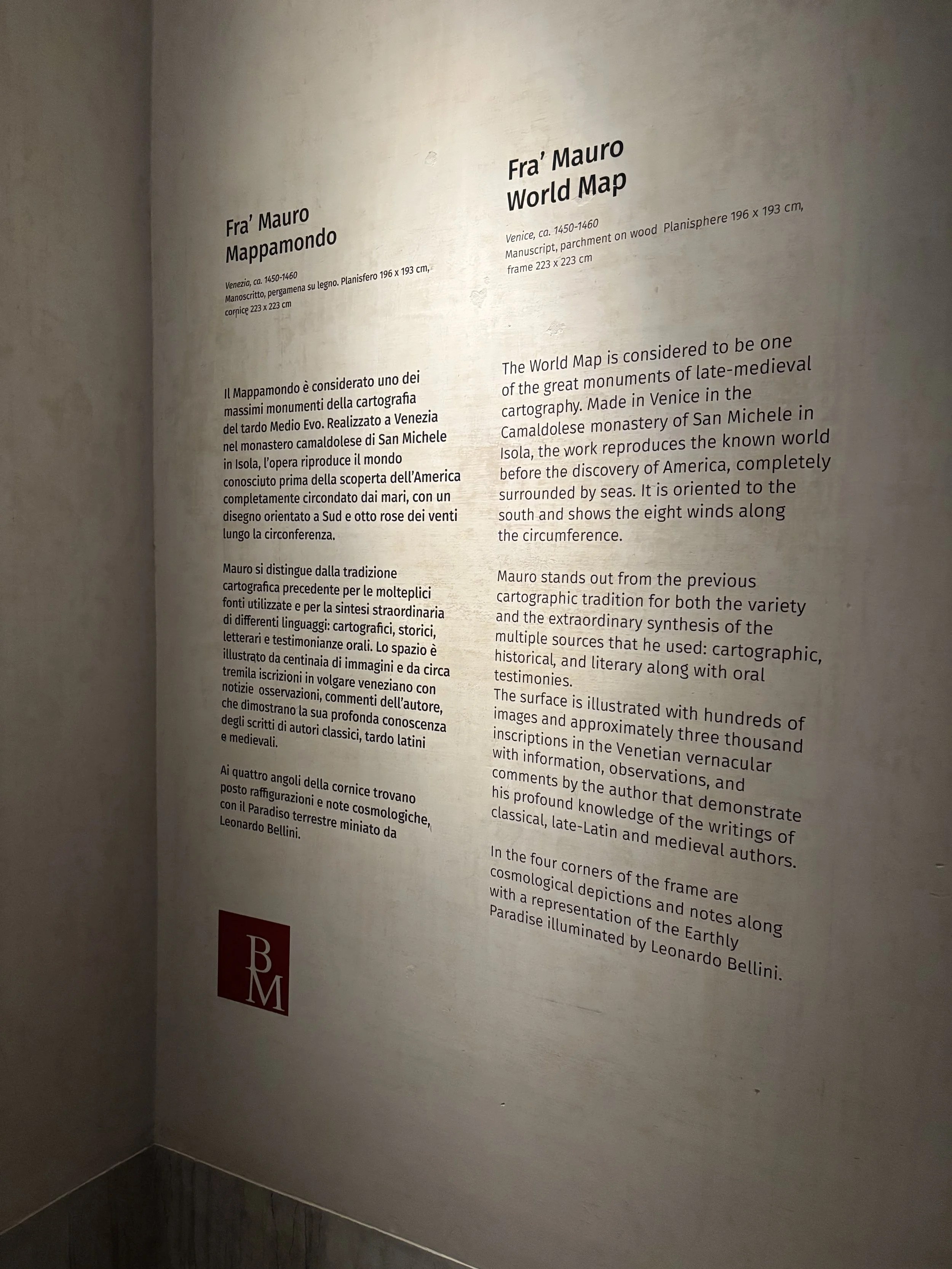


‘‘Incunabolo’’ di Cristoforo Colombo (1493), 2026 © Matthias Schaller / Courtesy: Biblioteca Nazionale, Venezia
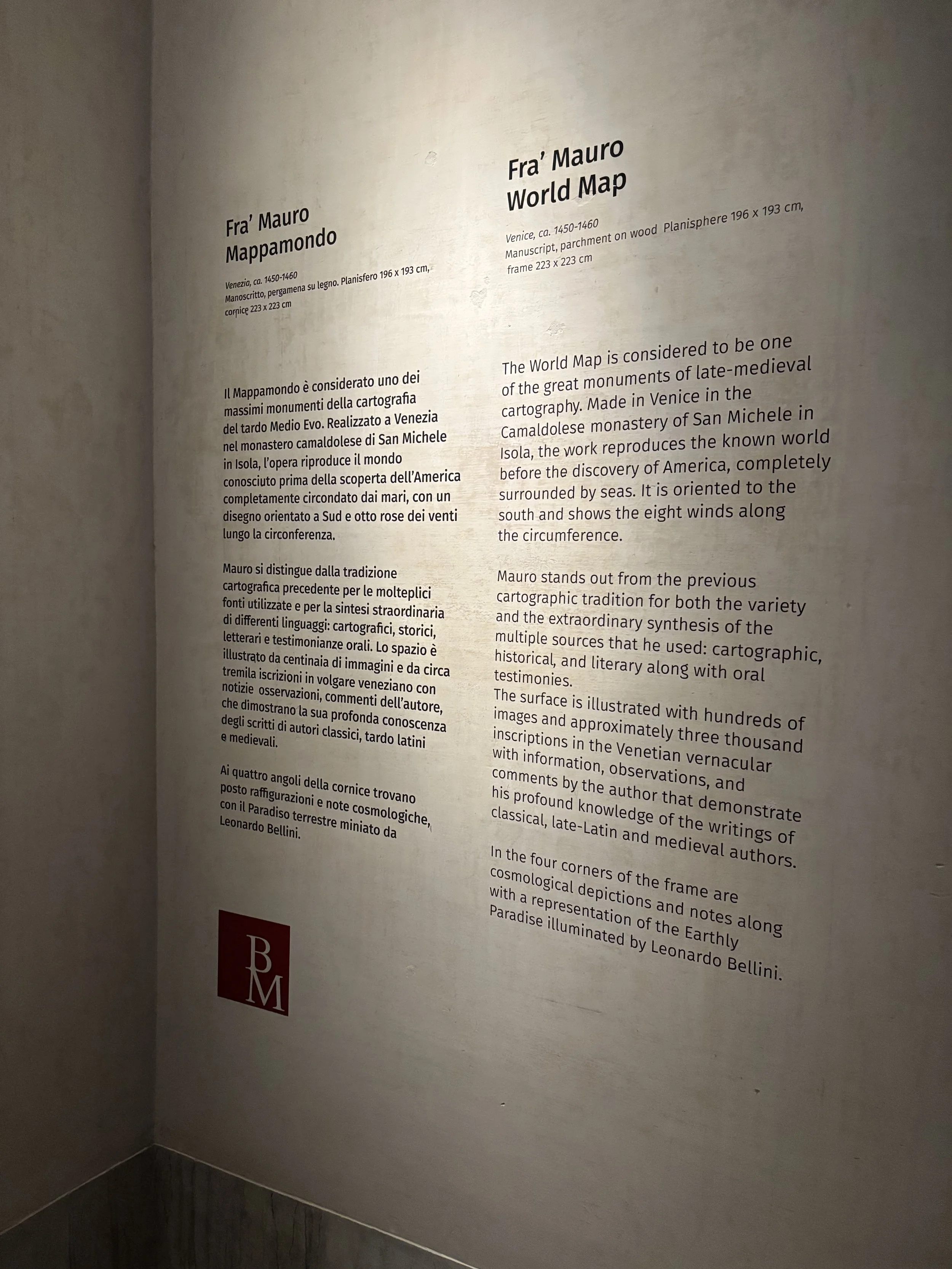
‘‘Text installation’’ Fra’ Mauro, MappaMondi (1450), 2026 © Matthias Schaller
Courtesy: Biblioteca Nazionale, Venezia
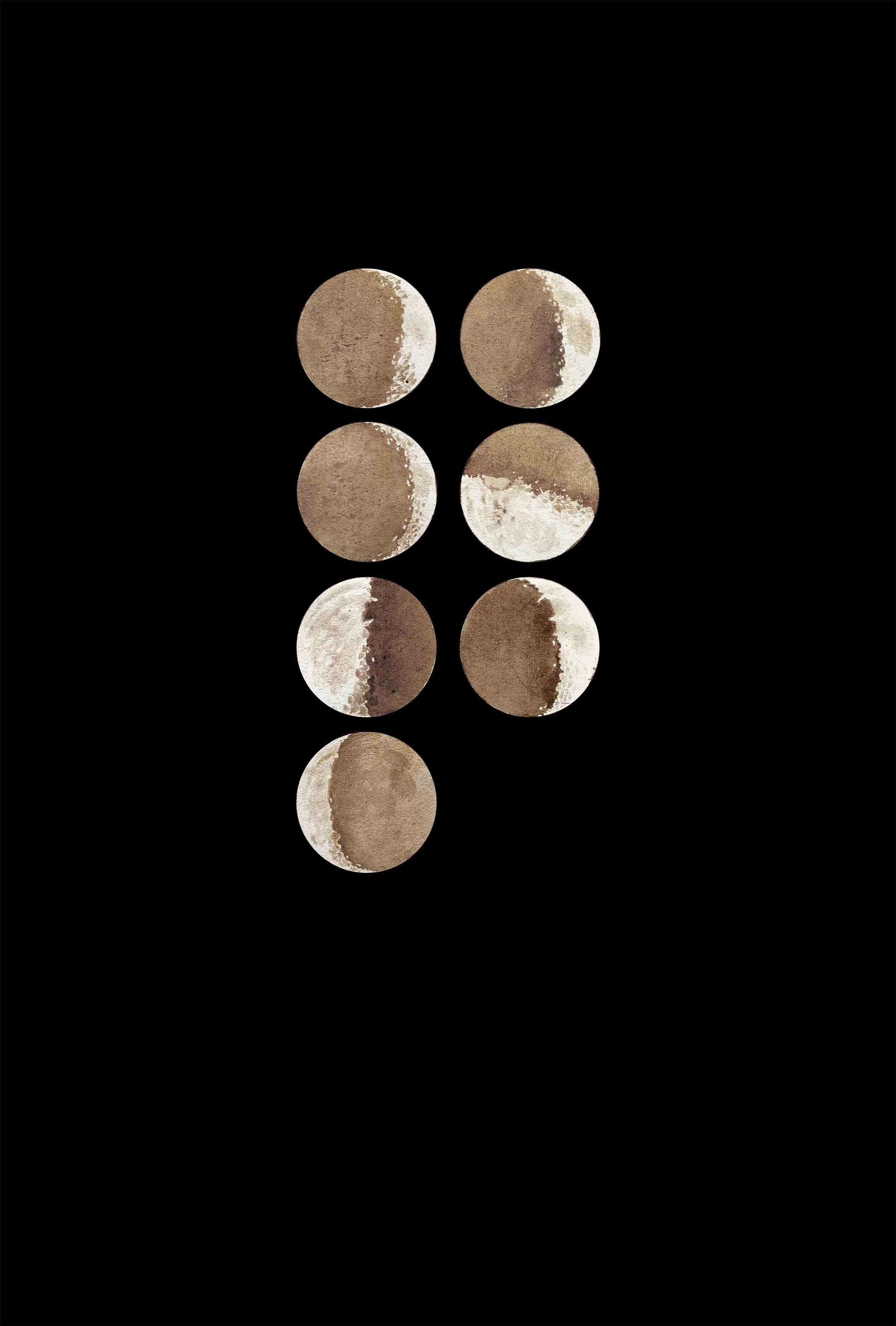
Fotografia ‘‘DESIDEREUS’’, 2026 114 x 77cm © Matthias Schaller, VG Bild-Kunst, 2026
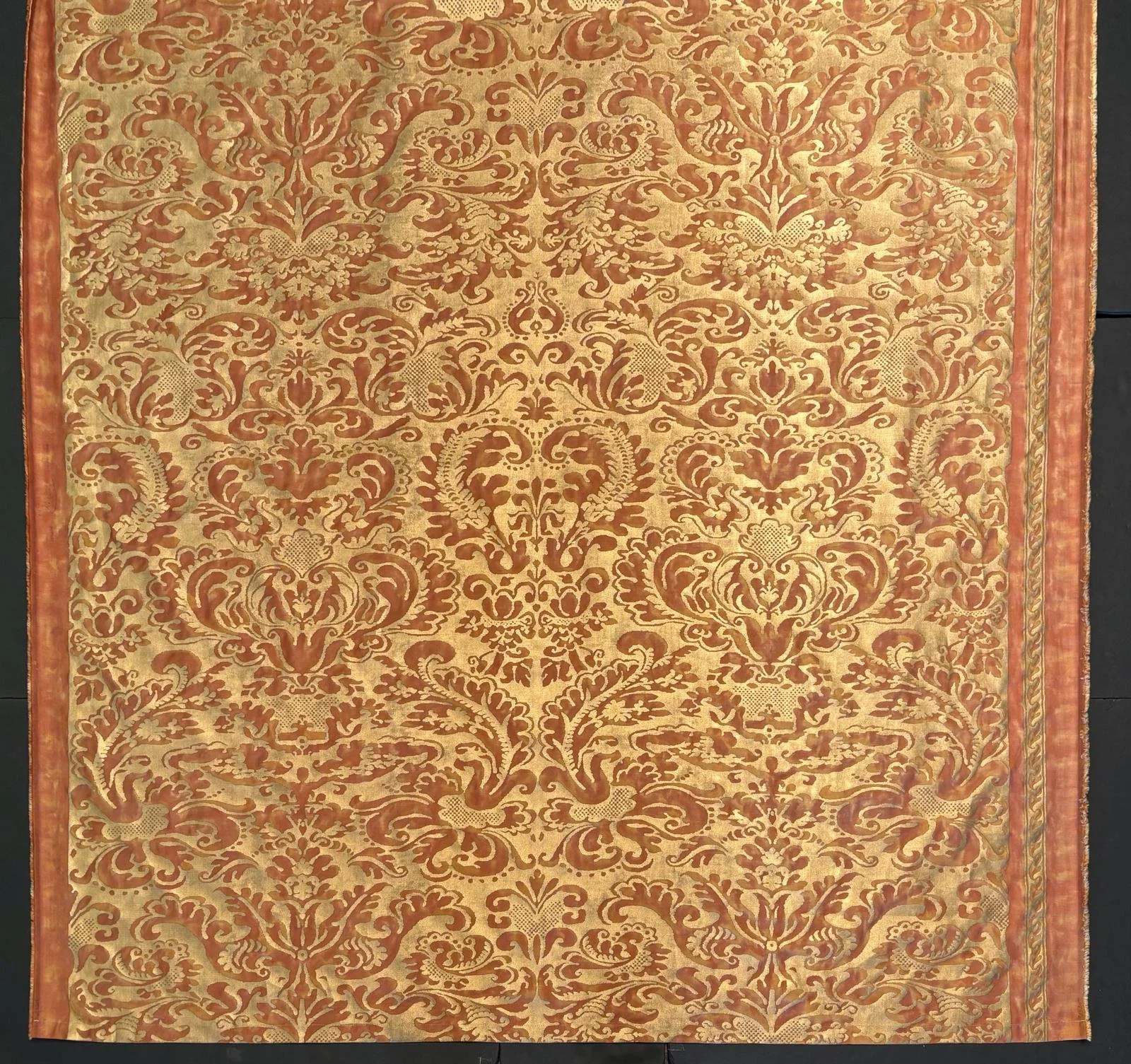
Mariano Fortuny, ‘‘5277’’, 1920, Fabric se vigne, Rust & Gold
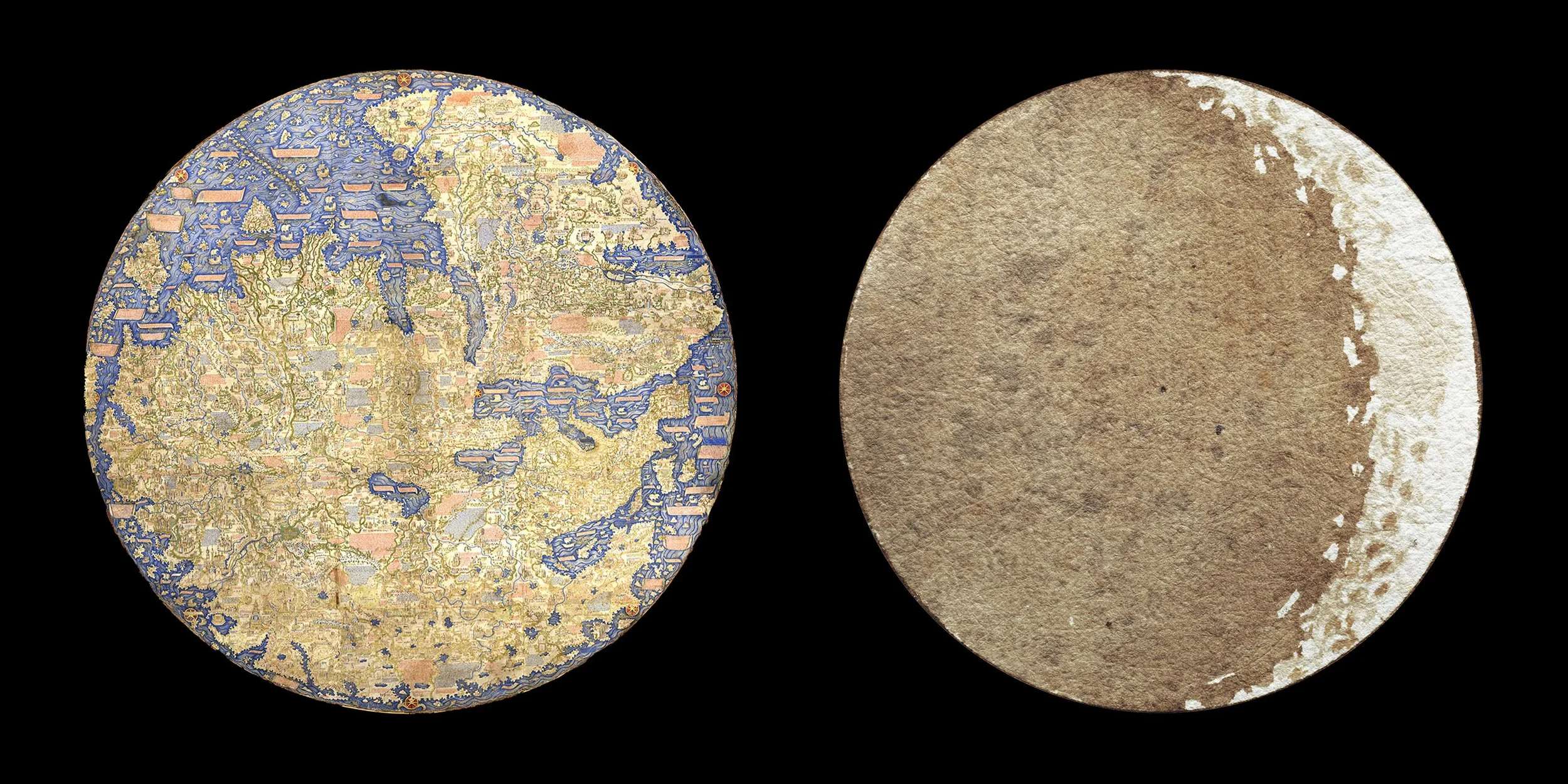
‘‘Mappamondi’’, Fra’ Mauro (1450) / Desidereus, Luna III (2026) - Galileo Galilei (1609)
© Matthias Schaller, VG Bild-Kunst, 2026
Courtesy: Biblioteca Nazionale Centrale di Firenze
Courtesy: Biblioteca Nazionale Marciana, Venezia
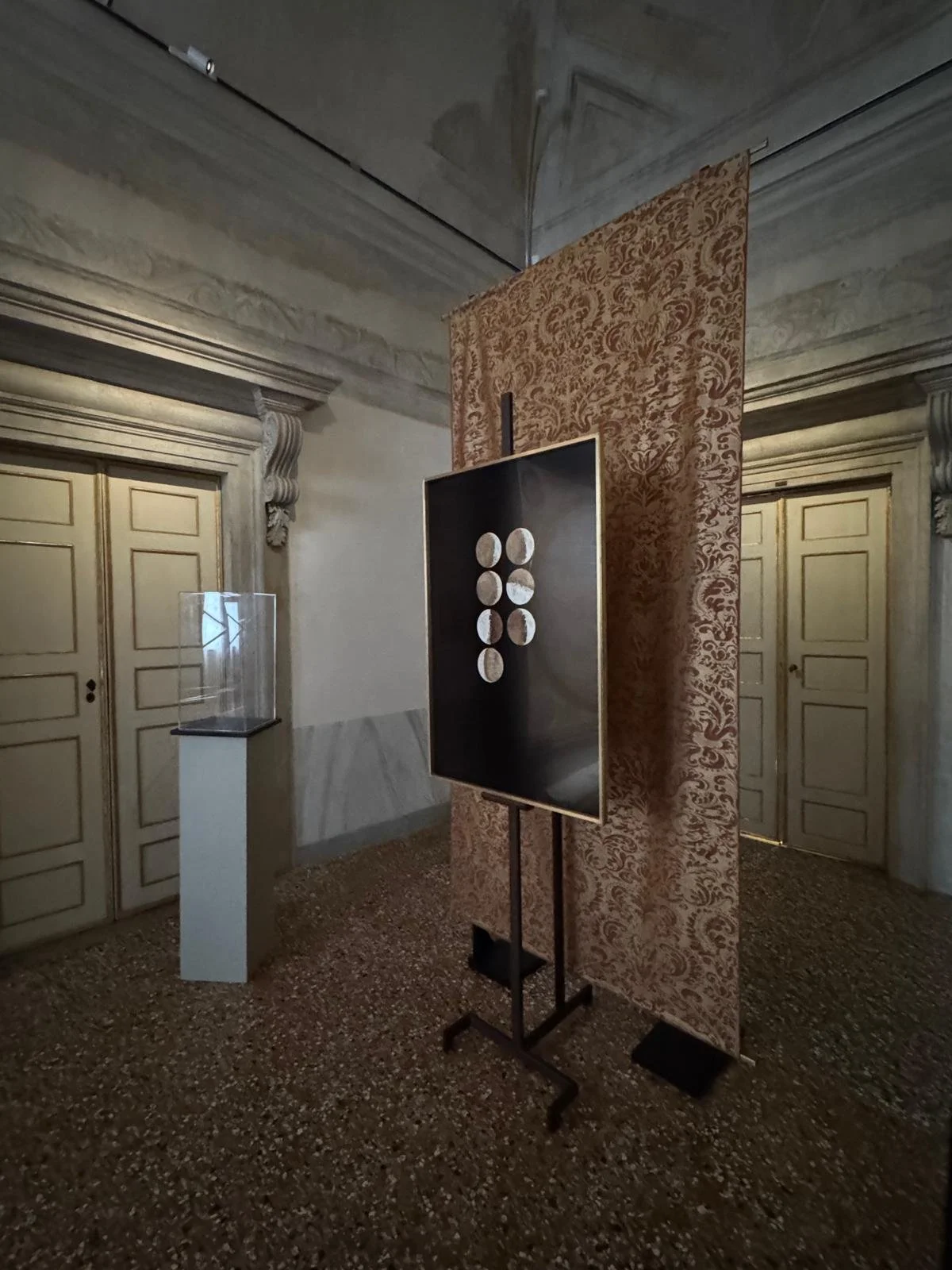
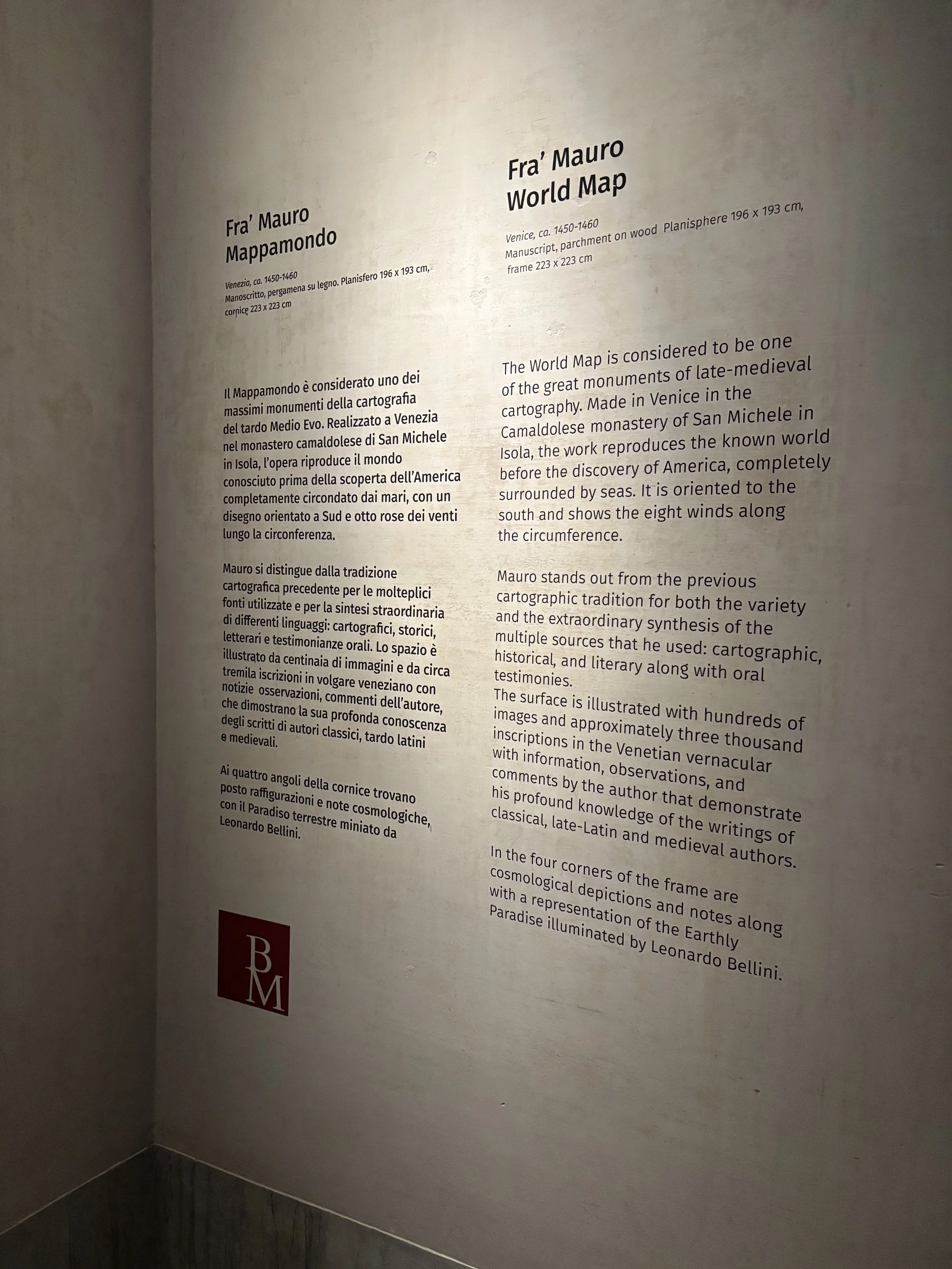
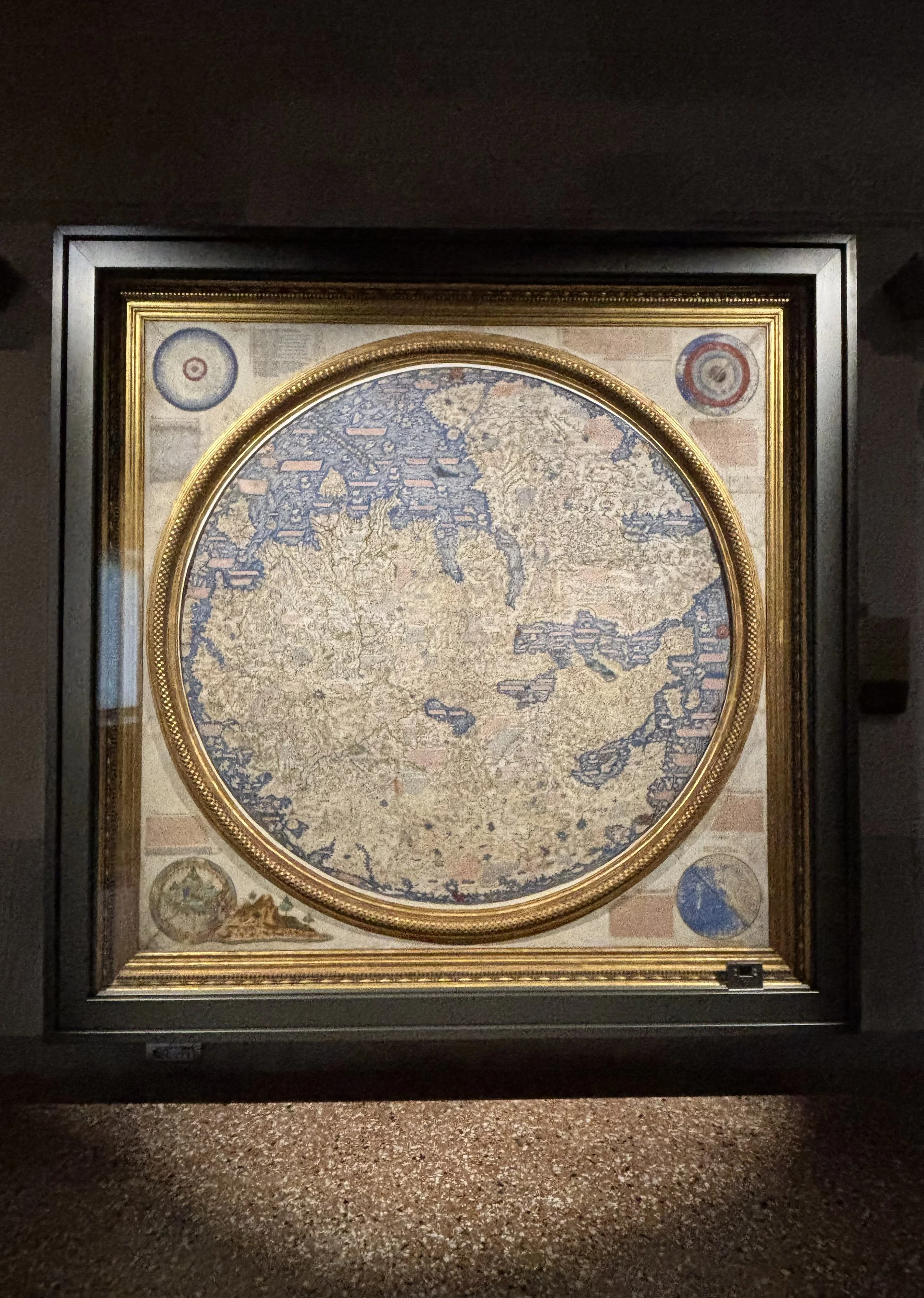

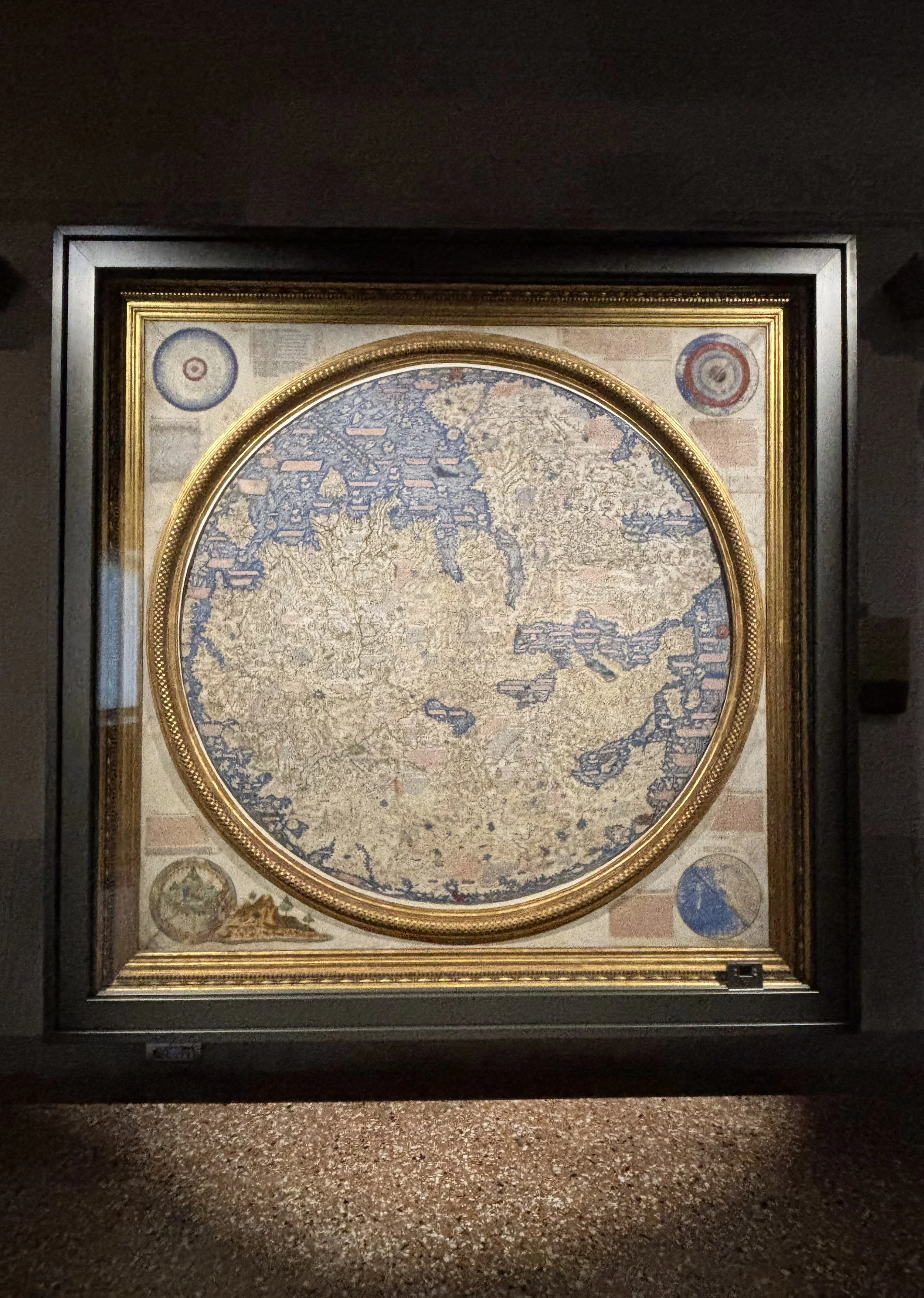
Fra Mauro, ‘‘MappaMondi’’ (1450), 2026 Biblioteca Nazionale Marciana, Venezia © Matthias Schaller / Courtesy Biblioteca Nazionale, Venezia
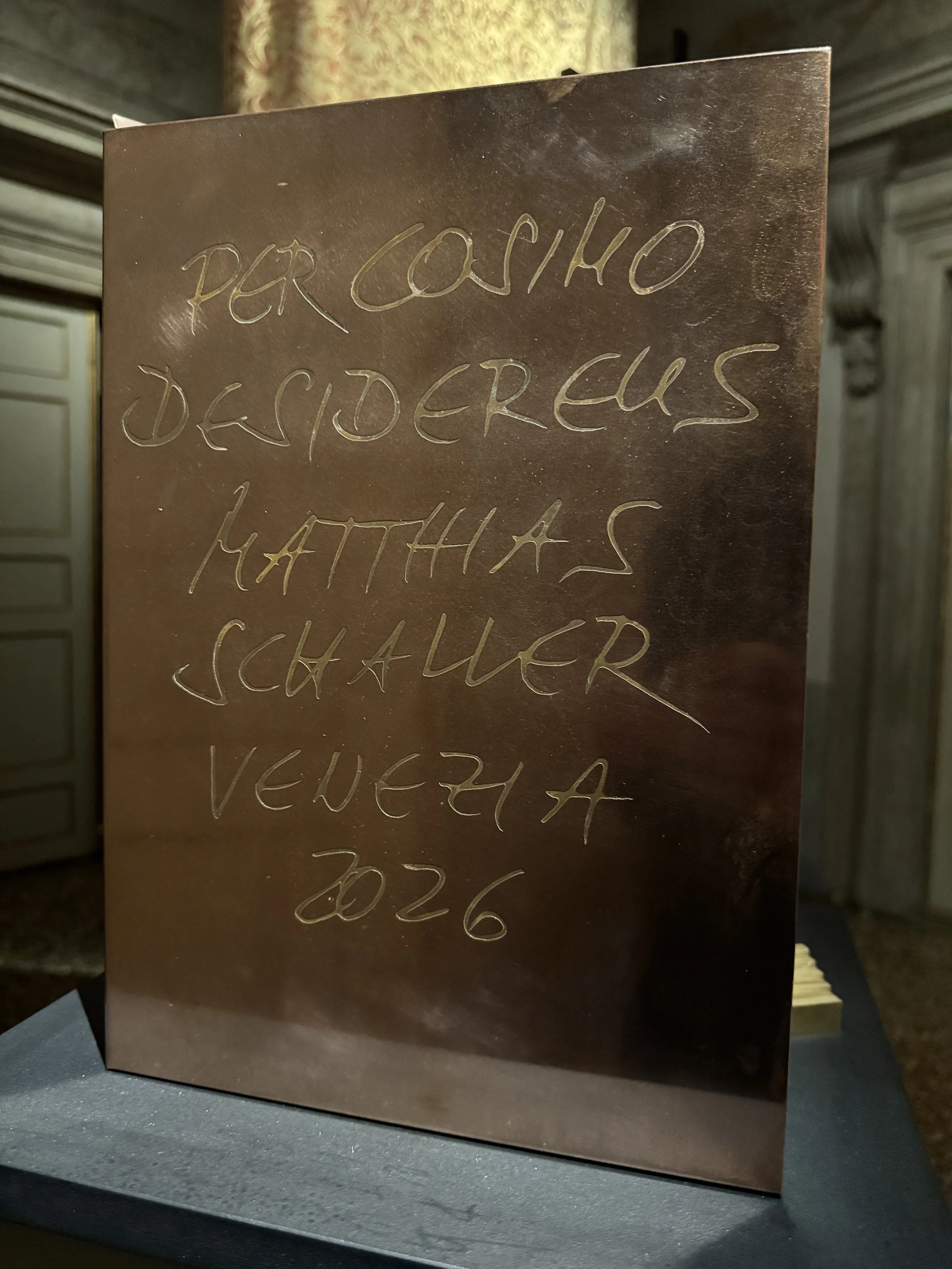
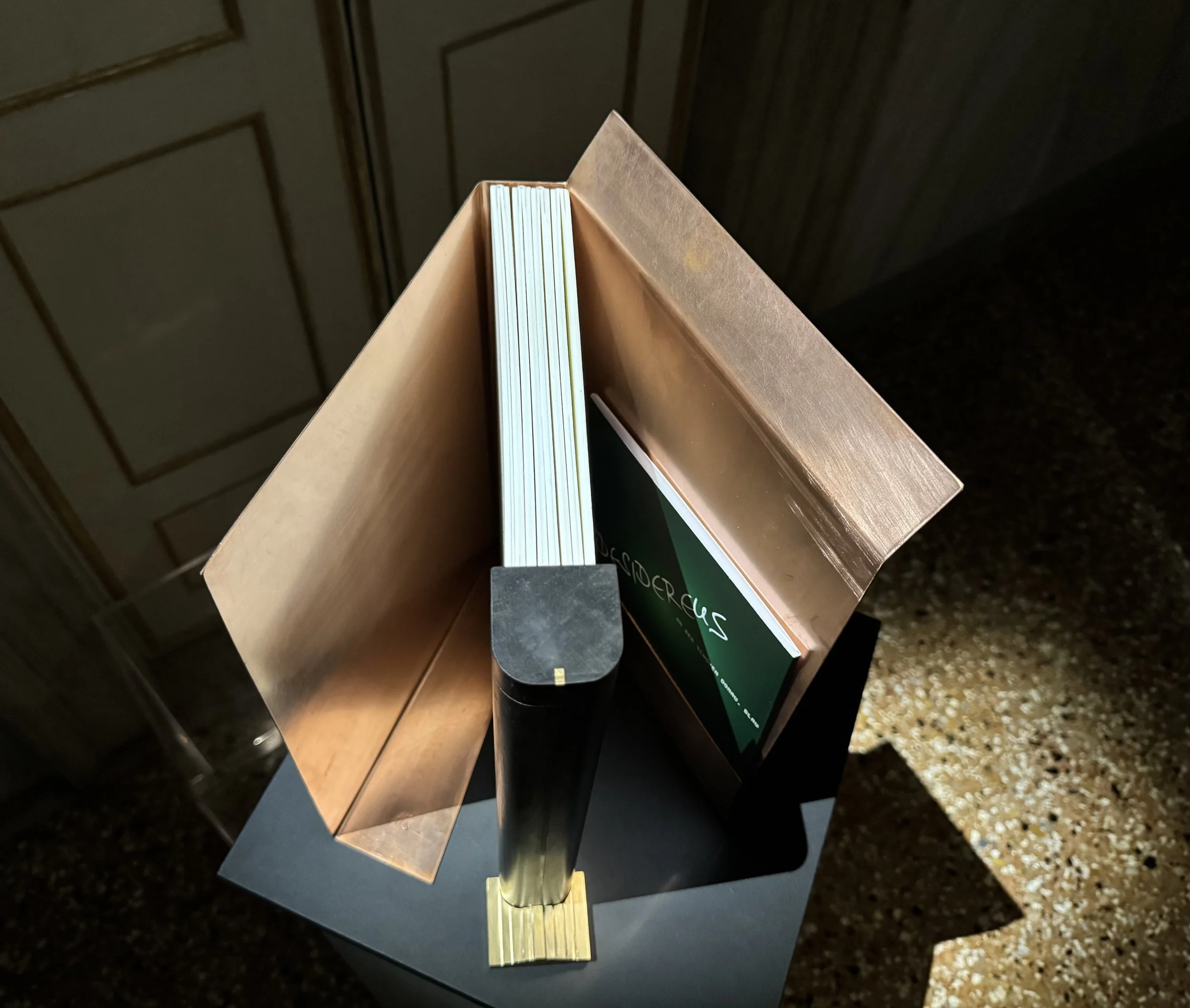
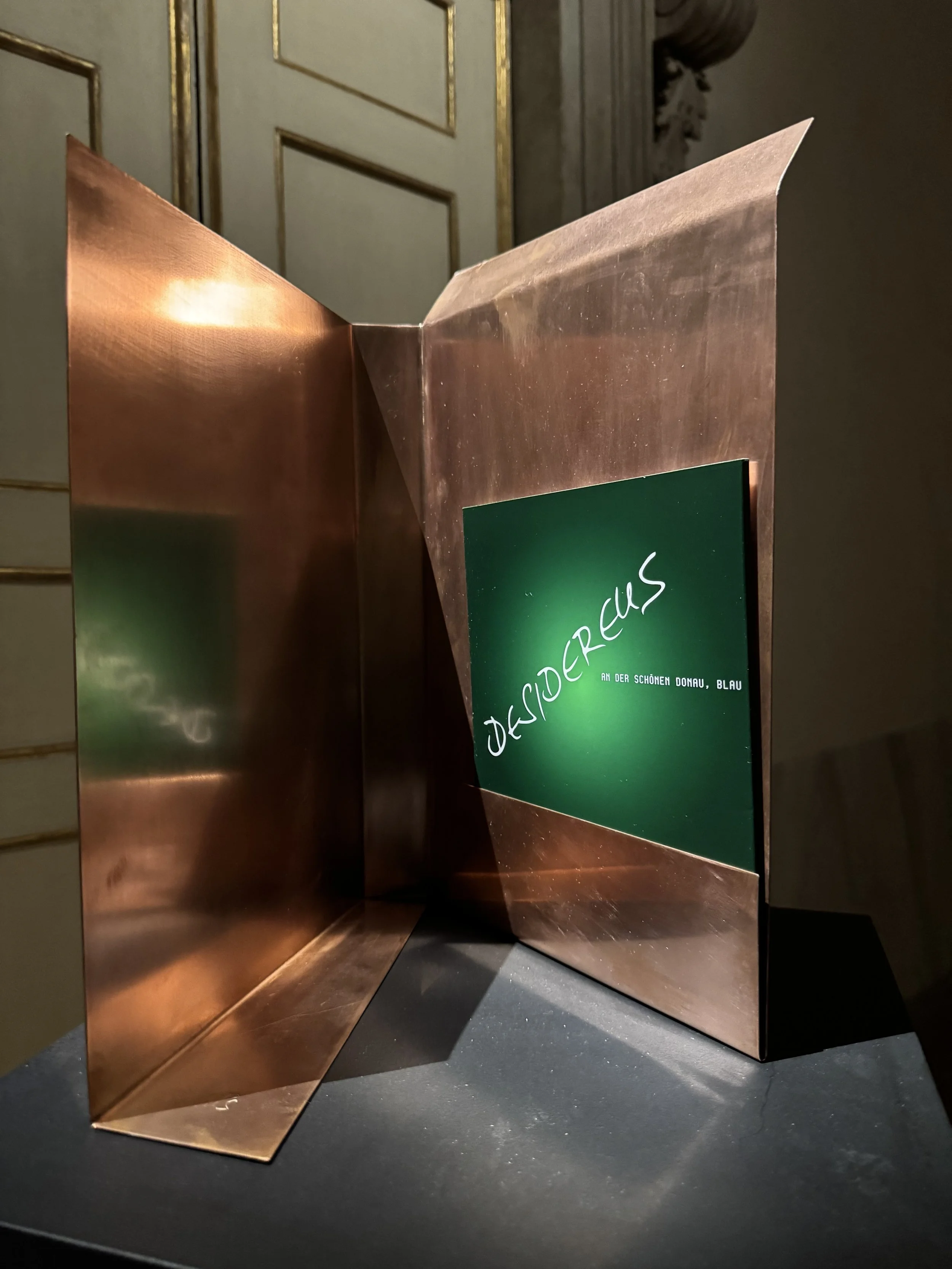
Matthias Schaller, Titolo: ‘‘PerCosimo’’, 2026
7 fotografie a colori, leporello in carta, copertina di rame incisa, oggetto di ebano, oggetto di rame, vinile DESIDEREUS 7" in copertina
36x24x10cm
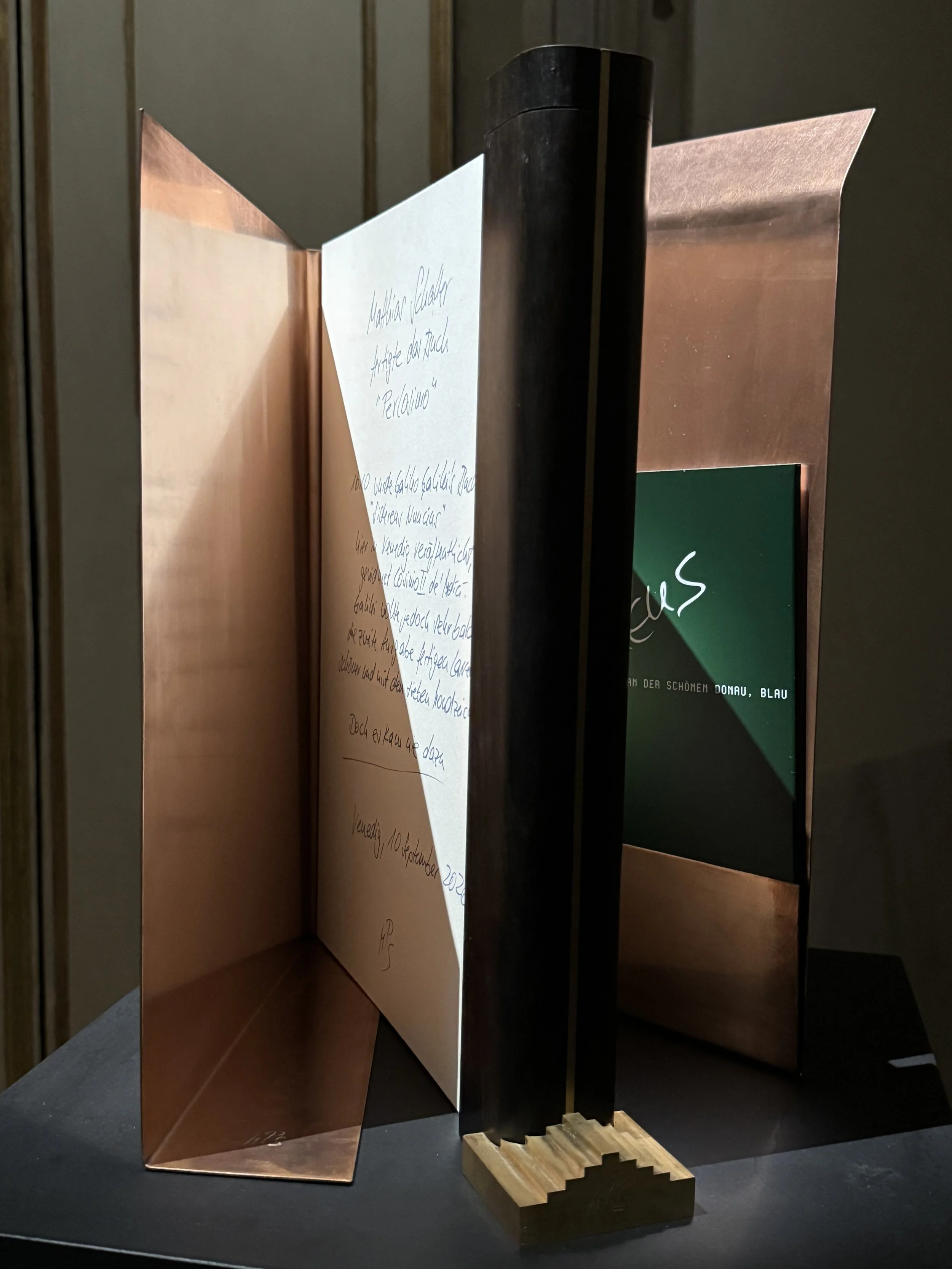
Leporello: Donatella Rosso, Bottega Fagnola (Torino)
Incisione rame: Martina Aosta, Tommaso Duse (Venezia)
Oggetto ebano/ebany: Carlo Capovilla (Venezia)
Oggetto ottone/brass: Paolo Zanon (Venezia)
Vinile/vinyl: Markus Wantl, Dr. Dub (Fieberbrunn)
*
*
* *
Colonel Luca Parmitano, European Space Agency astronaut and experimental test pilot for the Italian Air Force, selected in June 2026 as pilot of the Artemis III mission (ESA/NASA).
Colonnello Luca Parmitano, astronauta dell’Agenzia Spaziale Europea e pilota sperimentatore dell’Aeronautica Militare Italiana, scelto nel giugno 2026 come pilota della missione Artemis III (ESA/NASA).
Testimonianza di Luca Parmitano (domande suggerite da Mr Schaller per indirizzare la risposta)
Da oltre tremila anni l'umanità osserva il cielo e cerca di comprendere ciò che si trova oltre l'orizzonte conosciuto. Questa curiosità ha alimentato esplorazioni, scoperte scientifiche e progressi tecnologici che hanno continuamente ampliato i confini della conoscenza. Dai cartografi e navigatori del passato agli astronomi che hanno rivolto il loro sguardo verso la Luna, ogni generazione ha contribuito a costruire il percorso che oggi ci permette di immaginare e progettare nuove avventure nello spazio.
In questo contesto si inserisce anche il programma Artemis, che mira a riportare l'essere umano sulla Luna e ad aprire la strada all'esplorazione del sistema solare. Tra i protagonisti di questa nuova fase dell'esplorazione spaziale figura l'astronauta dell'ESA Luca Parmitano.
Testimony by Luca Parmitano (questions suggested by Mr. Schaller to address the response)
For more than three thousand years, humanity has observed the sky and sought to understand what lies beyond the known horizon. This curiosity has nurtured explorations, scientific discoveries and technological progress, which have continually expanded the boundaries of knowledge. From cartographers and navigators of the past to astronomers who have turned their gaze toward the Moon, each generation has contributed to building the path that allows us today to imagine and project new adventures in space.
The Artemis program also fits into this context; it aims to bring man back to the Moon and to open up the path to exploring the solar system. The protagonists of this new phase of spatial exploration include the ESA astronaut Luca Parmitano.
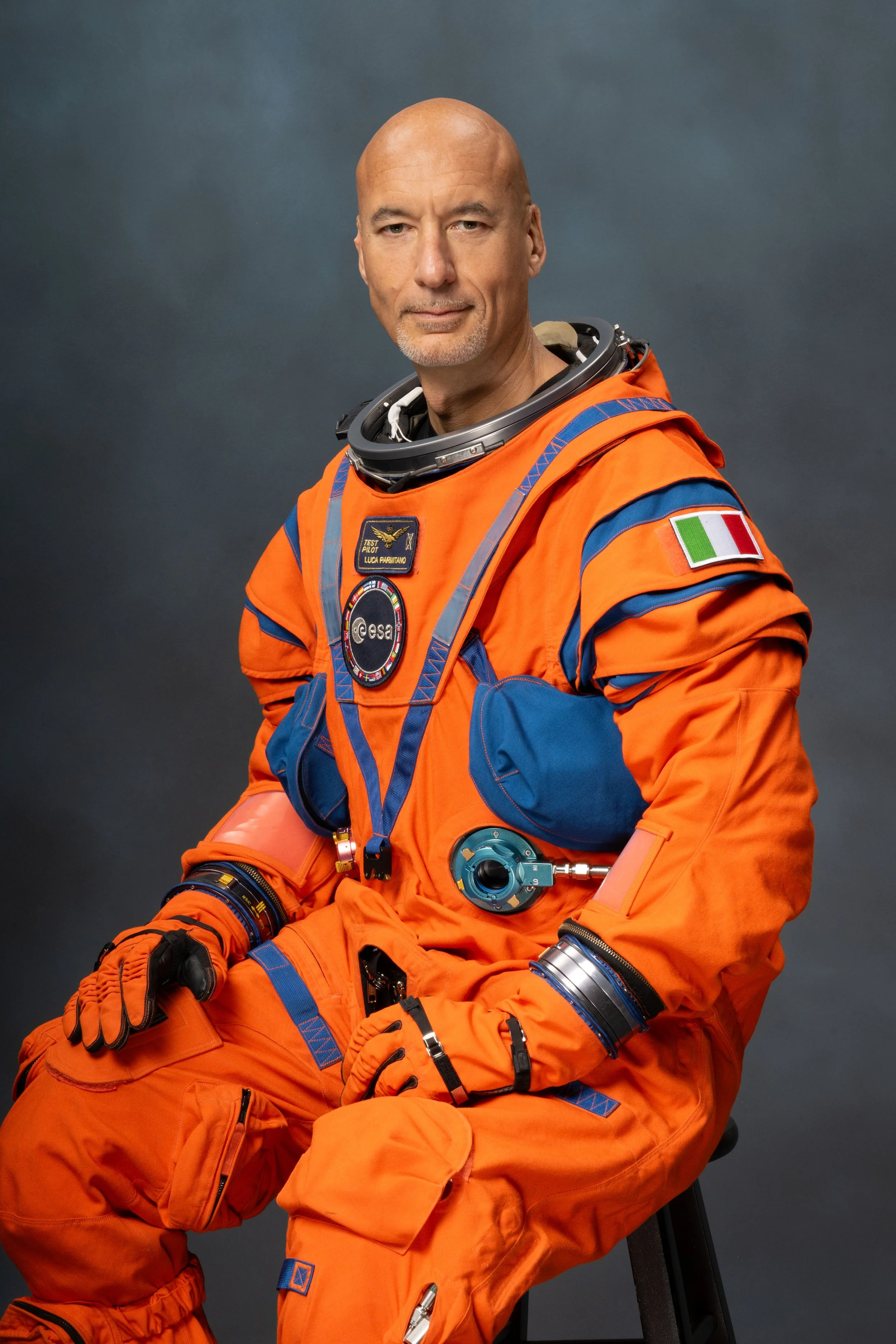
Colonel Luca Parmitano © ESA / NASA, 2026
Question 1
The history of humanity is studded with explorers who have sought to overcome the limits of the known world, from Marco Polo to Christopher Columbus. Do you feel part of this long tradition of exploration In what way do you see a connection between the great travellers of the past and today's astronauts?
It will seem pompous, but it is with extreme humility that I maintain that the impulse toward human exploration has even more distant roots, in Greek mythology, in the myth of Ulysses and Jason, in literature, even in tales handed down by word of mouth, like the search for El Dorado. It is born from the imperative need to seek and find new resources, but it is always accompanied by the yearning for discovery and by the desire to observe with one's own eyes what exists beyond the optical horizon. Herein, the nature of the astronauts is perfectly superimposed upon that of the great travellers of the past.
Question 2
Your career developed within a strongly international context, characteristic of contemporary spatial cooperation. At the same time, however, it represents Italy in one of the most important scientific and technological undertakings of our time. What feelings do this role arouse? Do you feel a particular sense of pride or responsibility in representing your country on the international scene?
Pride is poorly compatible with the responsibility to commit all your energy to acquiring and developing systems, procedures, technologies. However, we are aware that the expectation of my Country, of the Agenzia Spaziale Europea, and of NASA, which designated me as a pilot, is for me to contribute, with my skills, my commitment, my intelligence, my work. This is why I often emphasize that I approach this role with humility: not because I don't consider myself up to the task with which I have been entrusted, but because it is the only way I know to present myself as a blank slate on which I can write and draw this chapter of spatial exploration.
Question 3
As a child, you dreamed of becoming a pilot and an astronaut. Today, after having spent 366 days in space and having accumulated an extraordinary professional experience, what are the motivations that still push you to prepare for new missions? What continues to nurture your curiosity and your desire to explore, in view of future challenges of lunar and space exploration?
Knowledge is an infinitely high mountain, the summit of which we shall never reach, and each of us can only hope to leave a spike for a future mountaineer, a bit higher than where we found the previous one – hoping that one day an explorer will get to the top, using the path that all his predecessors have opened up. One spike at a time.
Domanda 1
La storia dell'umanità è costellata di esploratori che hanno cercato di superare i limiti del mondo conosciuto, da Marco Polo a Cristoforo Colombo. Si sente parte di questa lunga tradizione di esplorazione? In che modo vede il legame tra i grandi viaggiatori del passato e gli astronauti di oggi?
Sembrerà prosopopea, ma con estrema umiltà ritengo che la spinta all’esplorazione umana affondi le sue radici ancora più lontano, nella mitologia greca, nel mito di Ulisse e di Giasone, nella letteratura, persino nel racconto tramandato di bocca in bocca, come la ricerca de l’Eldorado. Nasce dalla necessità imperativa di cercare e trovare nuove risorse, ma è sempre accompagnata dall’anelito della scoperta e dal desiderio di osservare con i propri occhi cosa esiste al di là dell’orizzonte ottico. In questo, la natura degli astronauti è perfettamente sovrapposta a quella dei grandi viaggiatori del passato.
Domanda 2
La sua carriera si è sviluppata all'interno di un contesto fortemente internazionale, caratteristico della cooperazione spaziale contemporanea. Allo stesso tempo, però, lei rappresenta l'Italia in una delle più importanti imprese scientifiche e tecnologiche del nostro tempo. Quali sentimenti le suscita questo ruolo? Avverte un particolare senso di orgoglio o di responsabilità nel rappresentare il suo Paese sulla scena internazionale?
L’orgoglio mal si concilia con la responsabilità di impegnarsi con tutte le proprie energie all’apprendimento e allo sviluppo di sistemi, procedure, tecnologie. Sono però consapevole che l’aspettativa, del mio Paese, dell’Agenzia Spaziale Europea, e della NASA che mi ha designato quale pilota, è quella di contribuire con le mie competenze, il mio impegno, il mio ingegno, il mio lavoro. È per questo che sottolineo spesso di approcciarmi a questo ruolo con umiltà: non perché non mi ritenga all’altezza del compito che mi è stato affidato, ma perché è l’unico modo che conosco per presentarmi come una pagina bianca, sulla quale poter scrivere e disegnare questo capitolo dell’esplorazione spaziale.
Domanda 3
Da bambino sognava di diventare pilota e astronauta. Oggi, dopo aver trascorso 366 giorni nello spazio e aver accumulato una straordinaria esperienza professionale, quali sono le motivazioni che la spingono ancora a prepararsi per nuove missioni? Che cosa continua ad alimentare la sua curiosità e il suo desiderio di esplorare, in vista delle future sfide dell'esplorazione lunare e spaziale?
La conoscenza è una montagna infinitamente alta, la cui cima non raggiungeremo mai, e ognuno di noi può solo sperare di lasciare un chiodo a un futuro scalatore, un po’ più in alto di dove noi abbiamo trovato quello precedente – sperando che ci sia un giorno un esploratore che giunga in cima, utilizzando il percorso che tutti i suoi predecessori hanno aperto. Un chiodo alla volta.
Accesso
Durata 12.9.-12.10.2026
Biblioteca Marciana, Sala Fra’ Mauro
Lunedì e martedì: accesso gratuito da Piazzetta San Marco n.13a
Mercoledì: accesso a pagamento esclusivamente da Museo Archeologico e Museo Correr
Giovedì e venerdì: accesso gratuito da Piazzetta San Marco n.13a
Sabato e domenica: accesso a pagamento esclusivamente da Museo Archeologico e Museo Correr
Contatto Press
Dott.ssa Margherita Venturelli, b-marc.eventi@cultura.gov.it
